 Sarah Grey
Air travel can leave you exhausted before you even reach your destination. One habit many travelers overlook is hydration, yet it plays a vital role in flight comfort. Cabin air tends to be extremely dry, which can leave your body feeling drained, uneasy, and restless.
When you do not drink enough water, problems like fatigue, headaches, and dry skin become more likely. Staying hydrated supports your overall well-being and keeps you feeling refreshed throughout the journey. Good hydration is easy to maintain with a little planning and a few small adjustments.
Understanding why hydration matters can make your travel easier, calmer, and far more pleasant from takeoff to landing. Here is how staying hydrated transforms every aspect of your flight, plus practical tips to keep your water intake on track.
Dry Cabin Air Effects
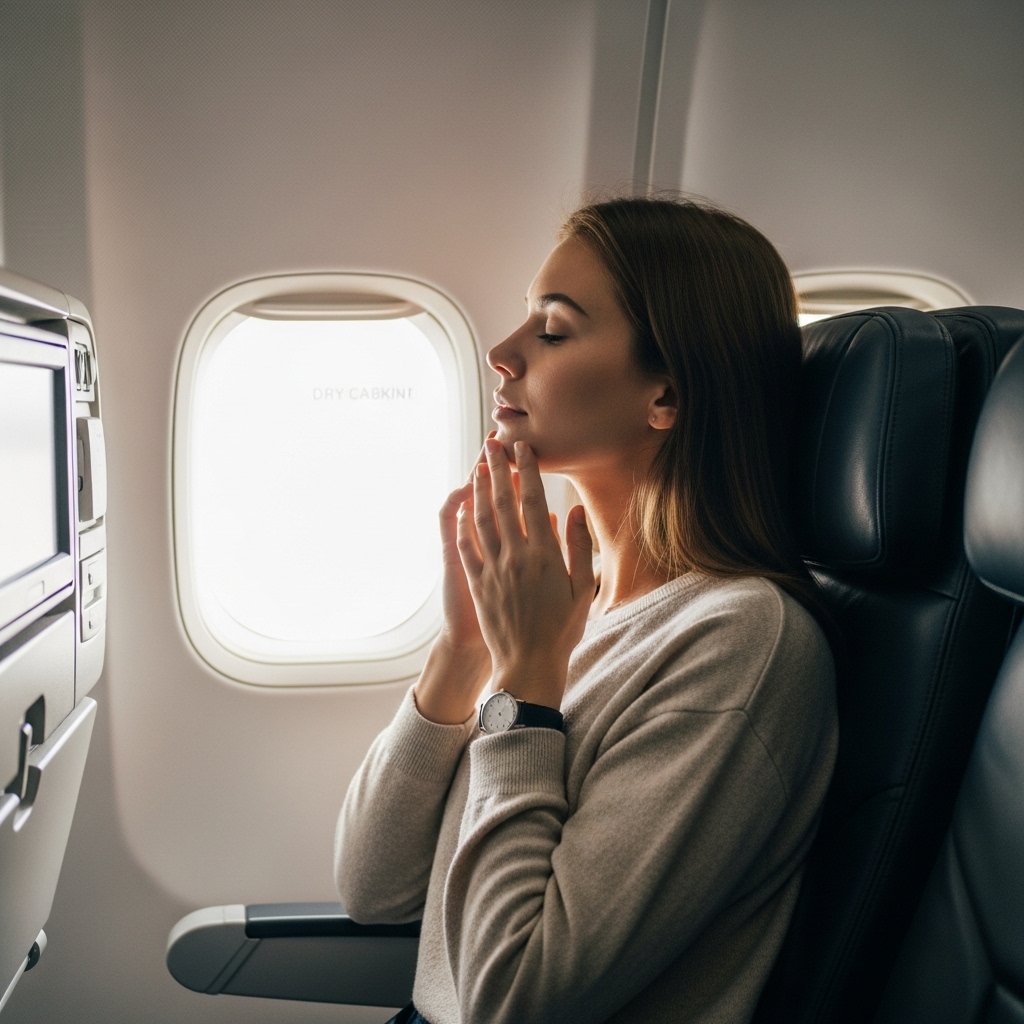
Airplane cabins have very low humidity, often below 20 percent, which pulls moisture from your body. This dryness causes discomfort in the form of dry throat, dry skin, and irritated eyes.
Drinking water frequently keeps your body comfortable on long flights. Limit alcohol and caffeine, which are dehydrating, and sip water steadily instead of waiting until you feel thirsty.
Consider bringing a hydrating facial mist and lip balm as backup. External moisture helps, but internal hydration is what truly protects you from the drying effects of cabin air.
The dryness also affects your sinuses, which can make pressure changes during descent more painful. Staying hydrated keeps sinus passages moist and eases that uncomfortable popping and pressure.
Preventing Travel Fatigue
Dehydration commonly causes exhaustion and low energy. A body that is not well hydrated cannot function at its best, which is why tired travelers often feel worse than the journey warrants.
Drinking enough water supports circulation and helps you stay alert, so you arrive feeling less drained. Even mild dehydration can sap your energy, so steady sipping makes a real difference.
Start hydrating the day before your flight, not just at the gate. Pre-hydration gives your body a reserve to draw on when cabin air starts its drying work.
Avoid the trap of caffeinating through fatigue, since coffee ultimately worsens dehydration. Water restores energy more sustainably than any stimulant, without the crash that follows.
Reducing Headache Risk
Dehydration can trigger headaches during flights. Changes in cabin pressure combined with low fluid intake increase discomfort and make headaches more likely.
Drinking water regularly keeps your body stable and reduces the chance of a headache developing. Aim for a glass of water every hour you are awake in the air.
If you are prone to migraines, hydration is even more important. Pack any preventive medication in your carry-on and keep water within arm’s reach throughout the flight.
Dehydration headaches often arrive with neck tension and difficulty concentrating. Catching them early with water and a short rest can stop a minor ache from becoming a miserable headache.
Supporting Healthy Digestion
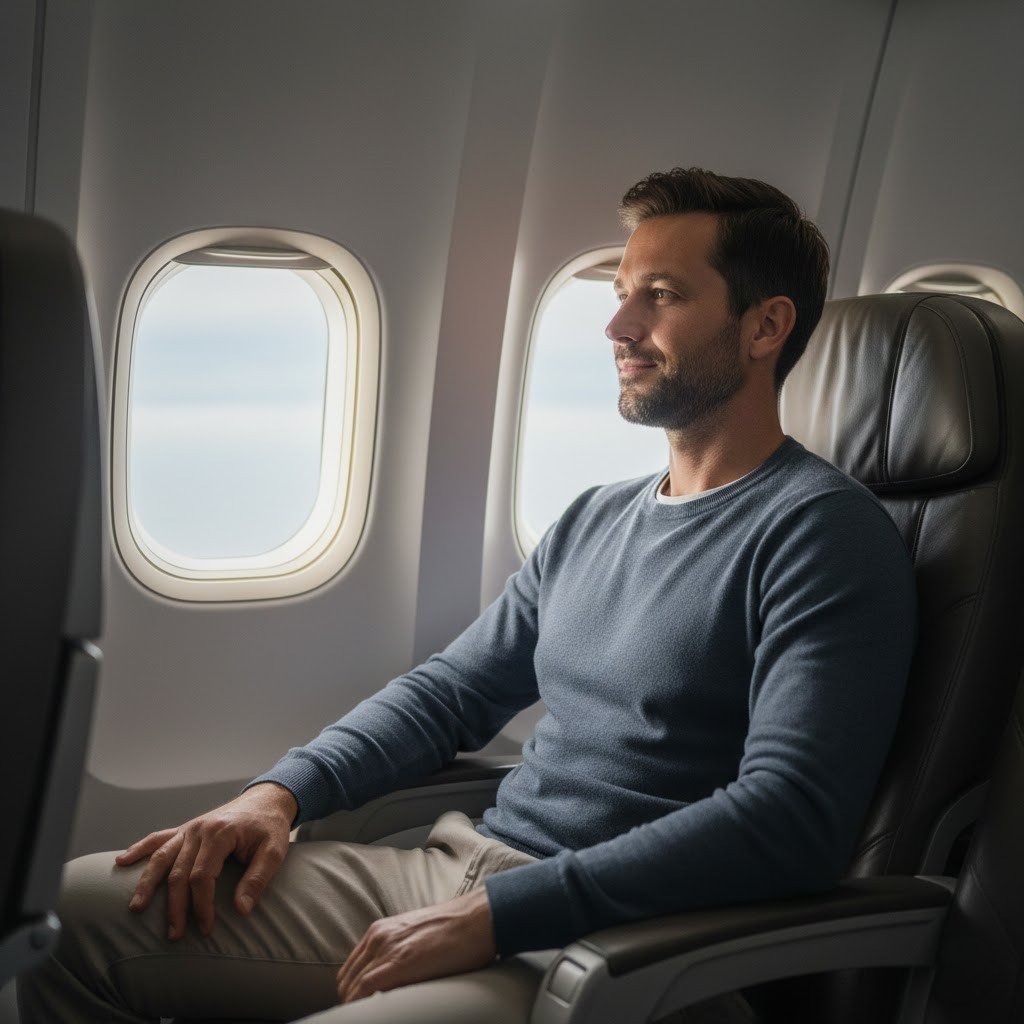
Travel schedules often disrupt normal eating routines. Low water intake can slow digestion and cause bloating and discomfort at altitude.
Staying well hydrated helps your digestive system work properly and keeps your stomach settled during the trip. Water aids every stage of digestion, from breaking down food to moving it along.
Eat light, fiber-rich snacks and pair them with water rather than soda. Your digestive system will thank you when you land feeling comfortable instead of sluggish.
Gas expands at cabin pressure, which is why bloating feels worse in the air. Drinking water and avoiding carbonated drinks helps minimize that uncomfortable expansion.
Maintaining Skin Comfort
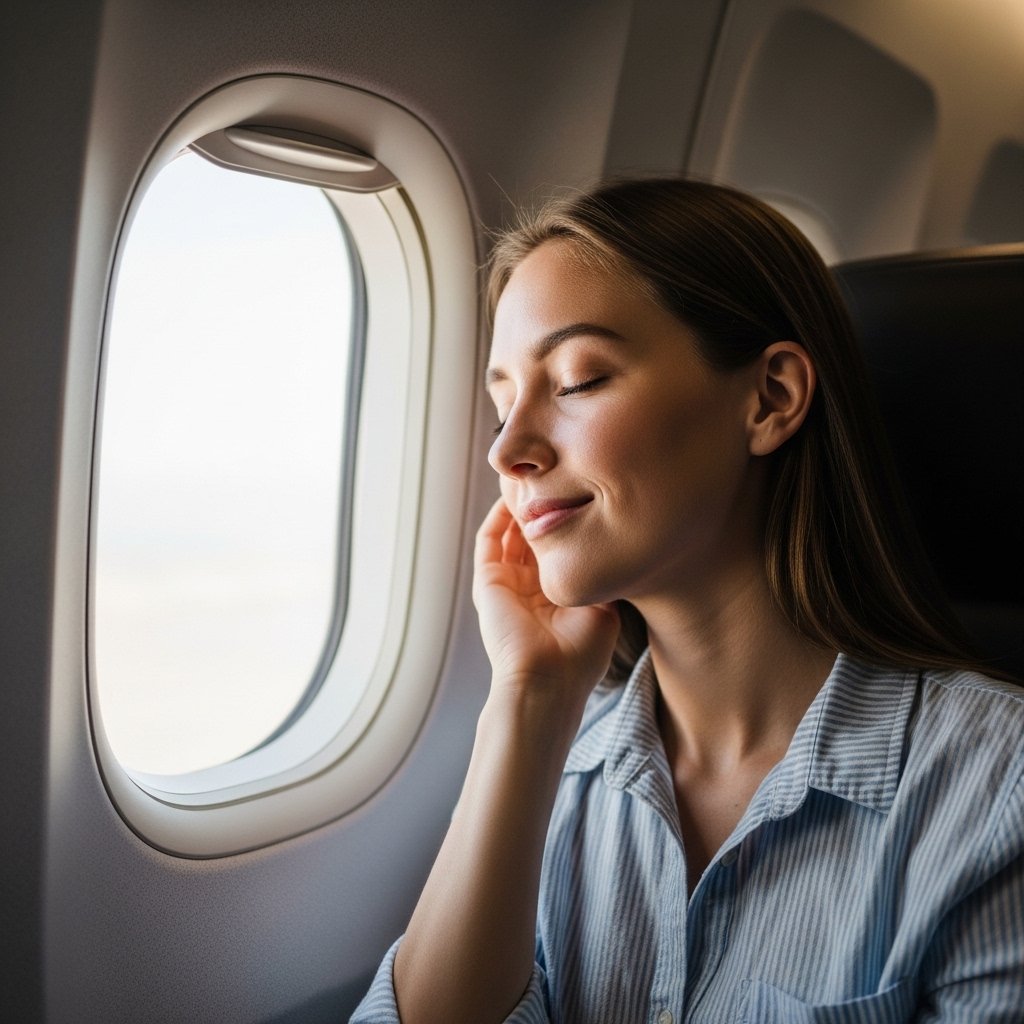
Tight, dull skin is a common complaint after long flights, caused by the cabin’s low humidity. Drinking enough water helps keep skin hydrated from the inside out.
This simple habit prevents the parched feeling that long hours in the air can cause. Well-hydrated skin looks fresher and recovers faster after landing.
Pair internal hydration with a good moisturizer applied before boarding. The combination of water inside and barrier cream outside gives your skin its best defense.
Skip heavy makeup on long flights, since dry cabin air makes foundation settle into fine lines. Tinted moisturizer over well-hydrated skin looks far better upon arrival.
Boosting Circulation During Flights
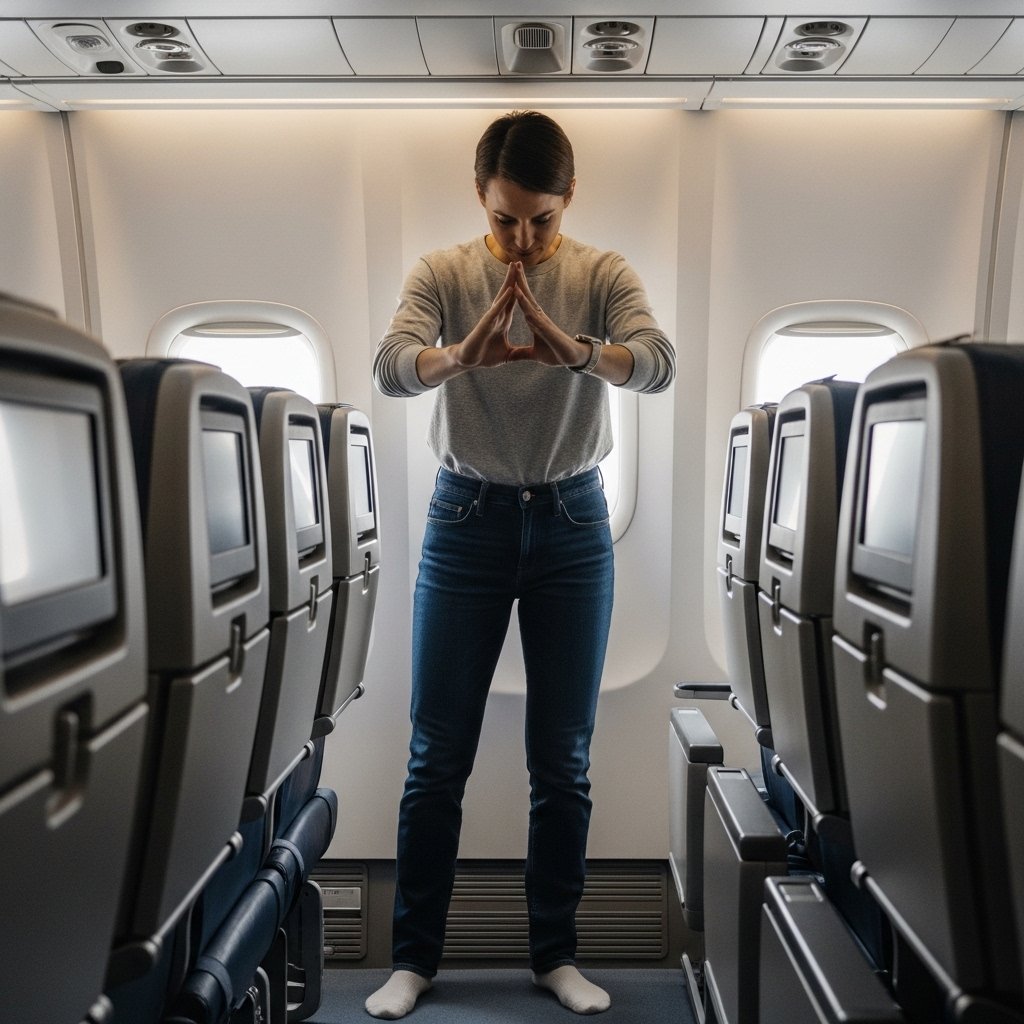
Sitting for hours can slow blood flow, especially in the legs. Good hydration supports healthy circulation and helps your body function properly at altitude.
Drinking water regularly, combined with light movement like ankle circles and periodic walks down the aisle, greatly improves in-flight comfort. Hydration even encourages you to get up, since you will need the restroom.
Compression socks add another layer of protection on long-haul flights. Together with hydration and movement, they keep circulation healthy from takeoff to landing.
Dehydration thickens the blood slightly, which is the last thing you want when sitting still for hours. Keeping fluids up is a simple safeguard for your circulatory health.
Managing Jet Lag Symptoms
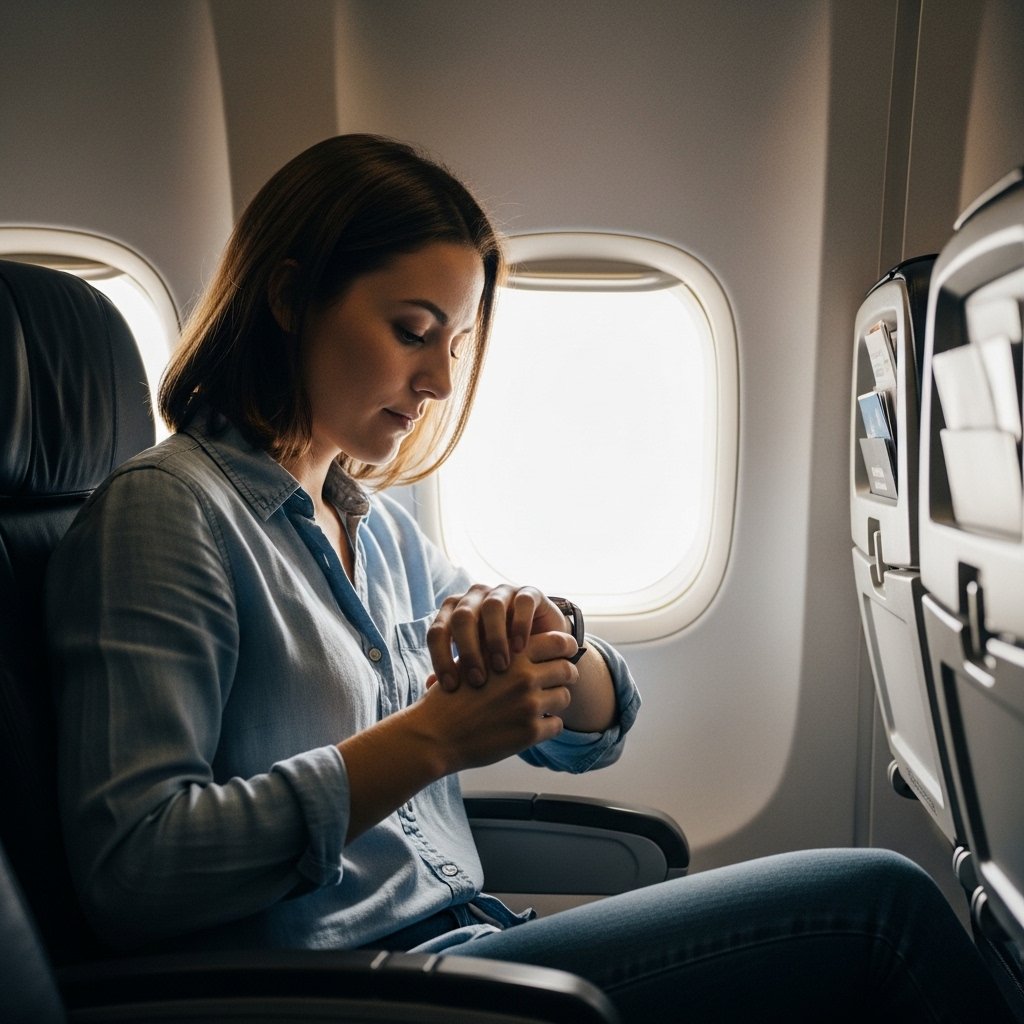
Jet lag hits harder when you are dehydrated. Fatigue and discomfort intensify when the body lacks fluids, making time-zone adjustment noticeably tougher.
Staying hydrated helps you stay in tune with your body and adapt more smoothly to new schedules. It will not eliminate jet lag, but it takes the edge off significantly.
Combine hydration with light exposure and sensible sleep timing at your destination. The three together form the most effective jet lag strategy travelers have.
Eastward travel tends to cause worse jet lag than westward, so hydrate extra diligently on those routes. Your body is already working hard to adjust; do not make dehydration another obstacle.
Improving Overall Comfort
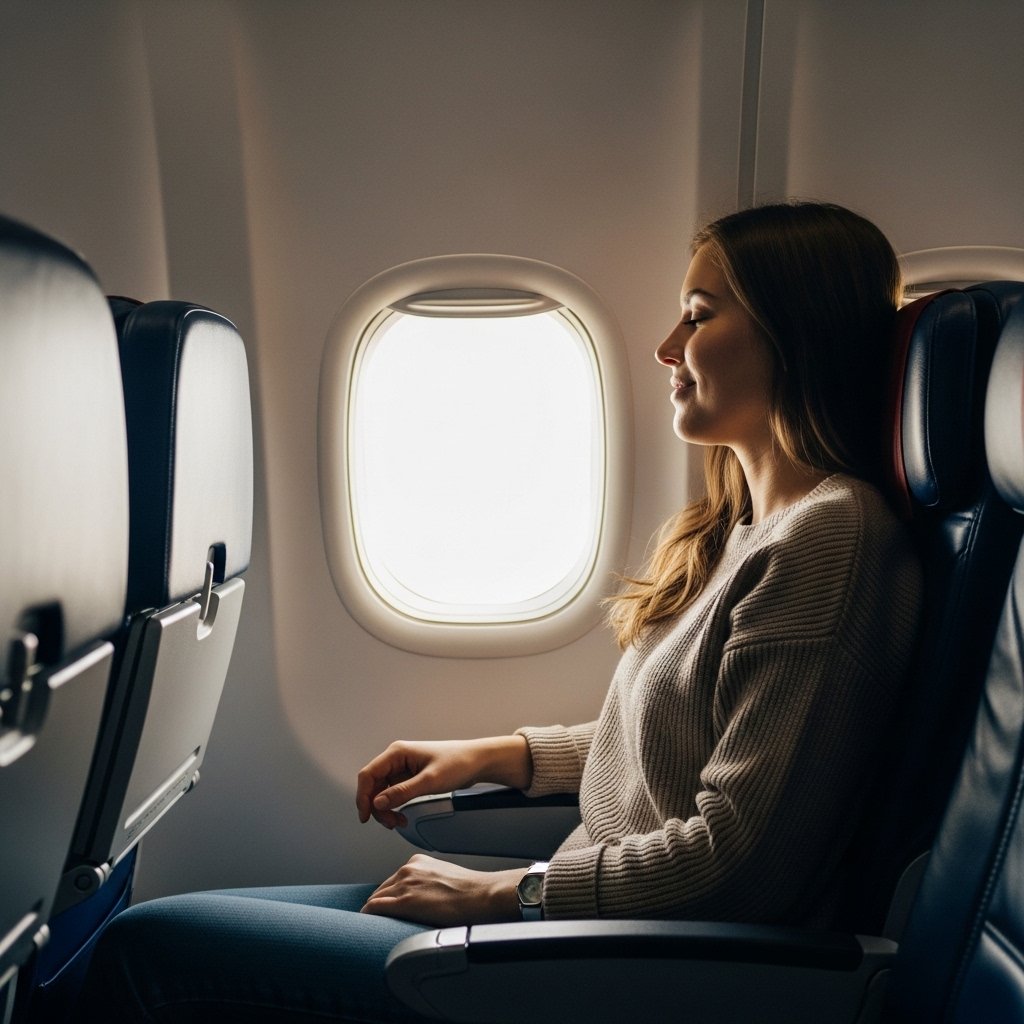
A well-hydrated body copes better with the many small stresses of air travel. Sipping water keeps your mouth, eyes, and throat comfortable throughout the journey.
This small habit improves the total flying experience and helps prevent the headaches and fatigue that plague so many travelers. Comfort is cumulative, and hydration is its foundation.
Think of water as the cheapest comfort upgrade available. No seat selection or amenity kit matters as much as arriving feeling genuinely well.
Even your mood benefits, since dehydration is linked to irritability and low patience. A calm, hydrated traveler handles delays and crowds with far more grace.
Supporting Immune Function
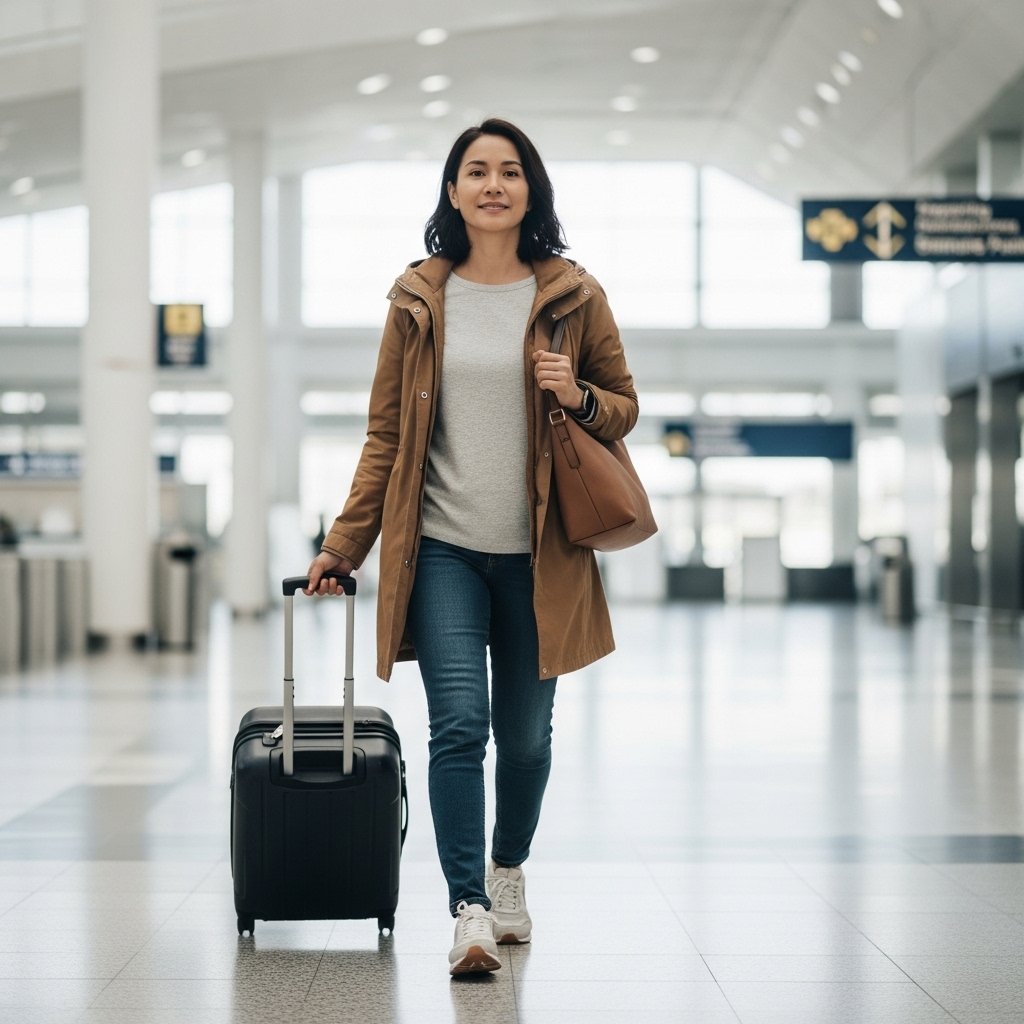
Air travel exposes you to new environments and crowds of fellow passengers. Staying hydrated helps your immune system function at its best when you need it most.
Water supports the mucous membranes in your nose and throat, which are your first line of defense against airborne germs. Dry membranes are far more vulnerable to infection.
Pair hydration with hand hygiene and enough rest before you fly. These simple defenses together greatly reduce the chance of catching something in transit.
A saline nasal spray used during the flight keeps nasal passages moist between water breaks. It is a small addition that meaningfully supports your immune defenses.
Avoiding Dizziness and Lightheadedness
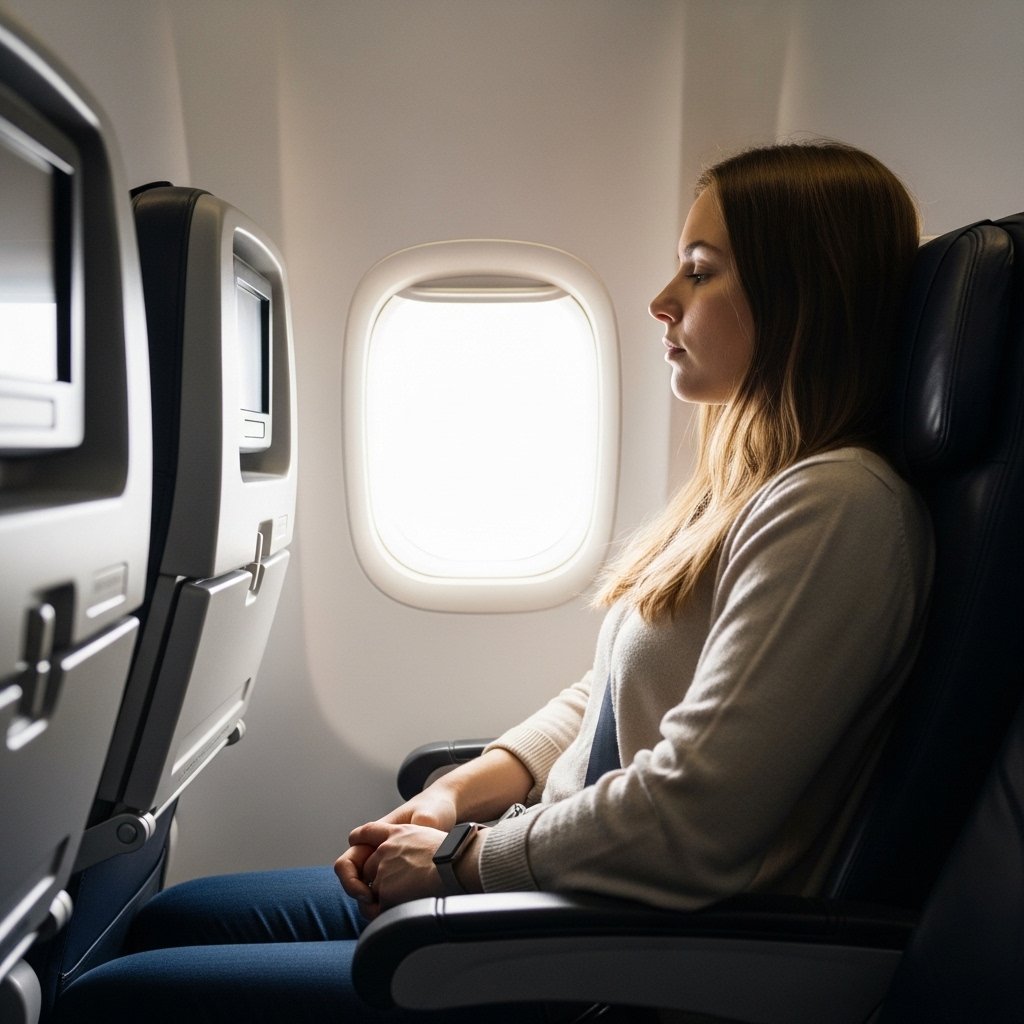
Low fluid intake can cause dizziness during flights. Cabin conditions and long travel hours increase this risk, especially when standing up quickly after sitting.
Staying hydrated helps maintain balance and stable physical comfort. Your blood volume and blood pressure stay steadier when fluids are adequate.
If you feel lightheaded, sip water slowly and sit back down. Eating a small salty snack alongside water can help restore equilibrium faster.
Stand up slowly after long periods of sitting, and flex your calves before rising. These small precautions, combined with hydration, keep dizziness at bay.
Building Better Travel Habits
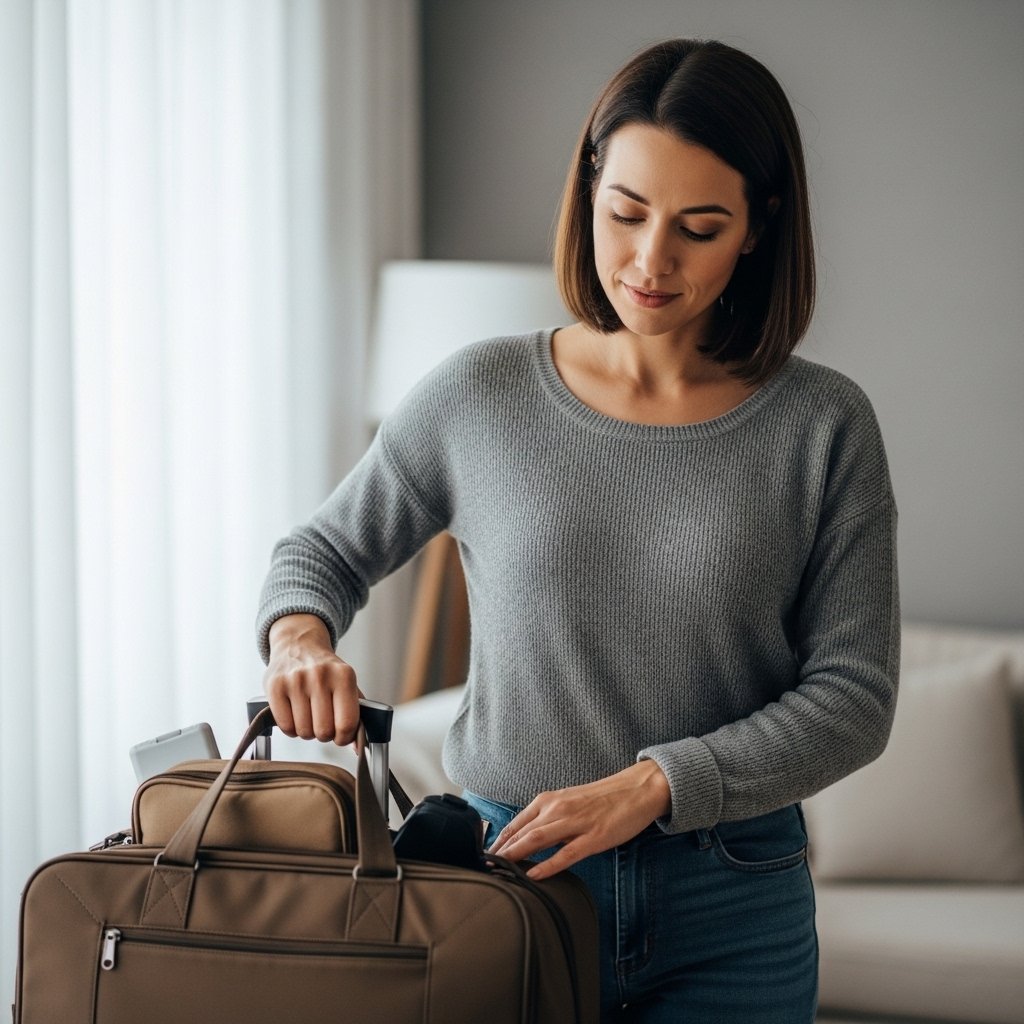
Making hydration a habit before and during flights improves every trip you take. Carry a refillable bottle and take small sips regularly to remind yourself to drink steadily.
Fill your bottle after passing through security and ask the crew for refills during the flight. By the time you land, you will feel comfortable, alert, and fresh.
Track your intake loosely, aiming for at least a liter on medium flights and more on long-haul journeys. Consistent habits beat last-minute gulps every time.
Make hydration part of your packing checklist, right alongside your passport and charger. When the bottle is always in your bag, drinking enough becomes automatic.
Practical Hydration Tips for Flyers
Bring an empty refillable bottle through security and fill it airside. This guarantees you always have water at hand without depending on infrequent drink carts.
Set a gentle reminder on your phone to sip every 30 minutes. Time passes strangely in the air, and a nudge keeps your intake steady without any effort.
Choose water over alcohol, coffee, and sugary sodas during the flight. If you enjoy a glass of wine, match each one with a full glass of water to offset its dehydrating effect.
Electrolyte packets are a smart addition to your carry-on for very long flights. They help your body absorb water more effectively when you need it most.
Arrive Feeling Your Best
Hydration will not make flying luxurious, but it makes it dramatically more comfortable. From clearer skin to steadier energy, the benefits touch nearly every part of the journey.
Pack your bottle, sip steadily, and step off the plane feeling like yourself. A well-hydrated traveler is a happy traveler, ready to enjoy the destination from the very first moment.