 Sarah Grey
Plant-based cuisine has become a true art form, with talented chefs around the world elevating vegetables to the center of the plate. Their creativity celebrates fresh ingredients, bold flavors, and mindful techniques that prove meat-free cooking can be deeply satisfying.
From comforting classics to contemporary adaptations, these recipes span the globe while honoring conscious eating. Each dish showcases simple, wholesome ingredients and natural flavors, with no animal products needed.
Home cooks can explore different cuisines and discover new ways to prepare familiar ingredients. These eleven recipes celebrate culinary craftsmanship and offer inspiration for meals that are nourishing, elegant, and fulfilling.
Rustic Mediterranean Chickpea Stew
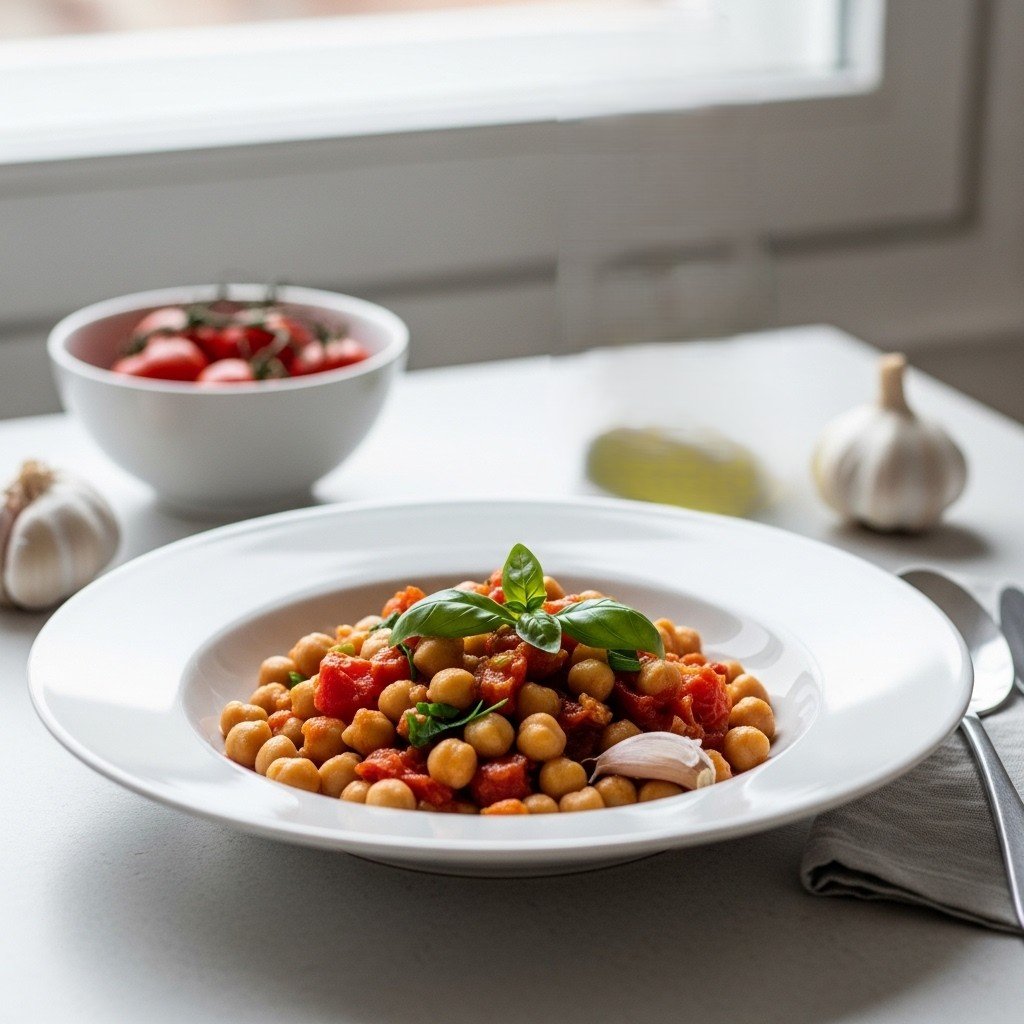
This hearty chickpea stew combines tomatoes, olive oil, garlic, and herbs, all slow-cooked until rich and comforting. It draws on Mediterranean kitchen traditions that celebrate simple ingredients.
The chickpeas become tender and creamy as they absorb the seasoned tomato broth. A generous drizzle of extra-virgin olive oil at the end adds the signature Mediterranean richness.
Serve it with crusty bread for a complete meal. The stew tastes even better the next day, as the flavors continue to meld overnight.
This dish is naturally high in fiber and plant protein. It is the kind of rustic cooking that nourishes both body and soul.
Fresh rosemary, thyme, and oregano are the classic herb trio here. Use what you have, but fresh herbs make a noticeable difference.
Japanese Style Miso Roasted Vegetables
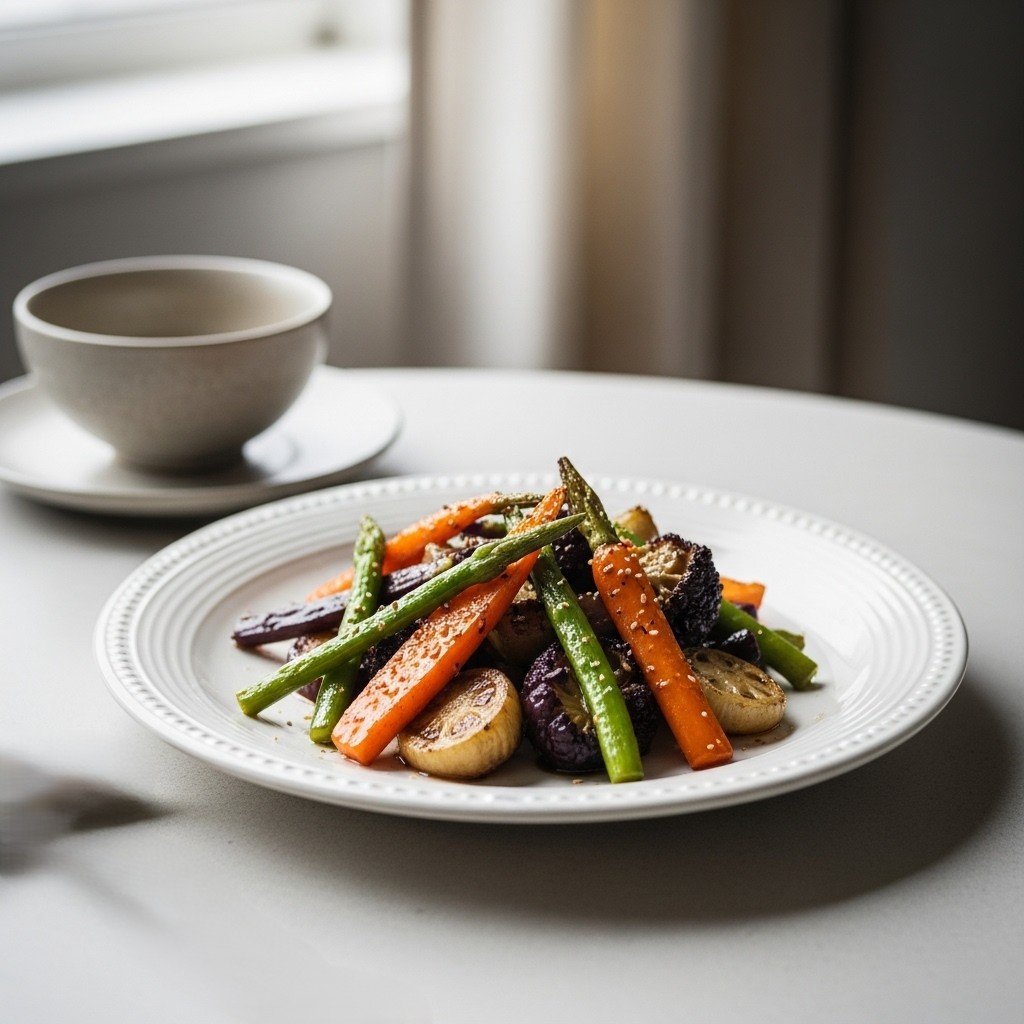
Seasonal vegetables roasted under a light miso glaze develop beautiful caramelization and deep umami flavor. This Japanese-inspired dish emphasizes precision and simplicity.
White miso mixed with a touch of maple syrup and rice vinegar creates the perfect coating. It caramelizes in the oven, giving the vegetables an irresistible savory-sweet crust.
Use whatever vegetables are in season: sweet potatoes, carrots, broccoli, and eggplant all work wonderfully. Cut them evenly so they roast at the same rate.
The result is a dish that looks as beautiful as it tastes. Japanese cooking teaches us that restraint and quality ingredients create the most memorable meals.
Serve over steamed rice with a sprinkle of sesame seeds. The combination of textures and flavors is quietly spectacular.
Italian Basil and Cashew Pesto Pasta
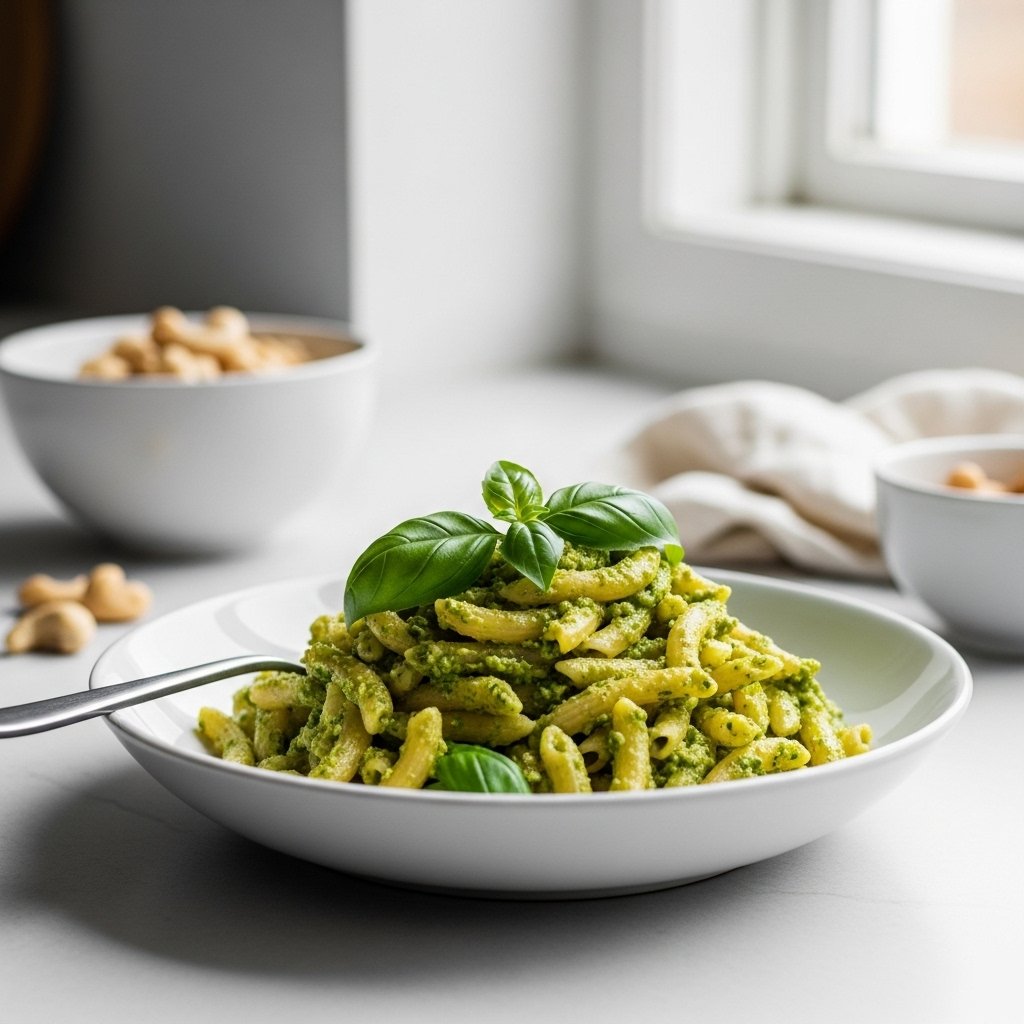
Fresh basil, cashews, olive oil, and garlic blend into a creamy, dairy-free pesto. Tossed with hot pasta, it becomes an Italian classic reimagined for plant-based eating.
Cashews provide the richness that Parmesan traditionally contributed. Soaked briefly in hot water, they blend into a luxuriously smooth sauce.
Reserve some pasta cooking water before draining. The starchy water helps the pesto cling to every strand for a restaurant-quality finish.
This pesto keeps well in the refrigerator for up to a week. A thin layer of olive oil on top prevents browning.
Add sun-dried tomatoes or a handful of arugula for variation. The basic formula welcomes creative additions.
Indian Spiced Lentil Curry
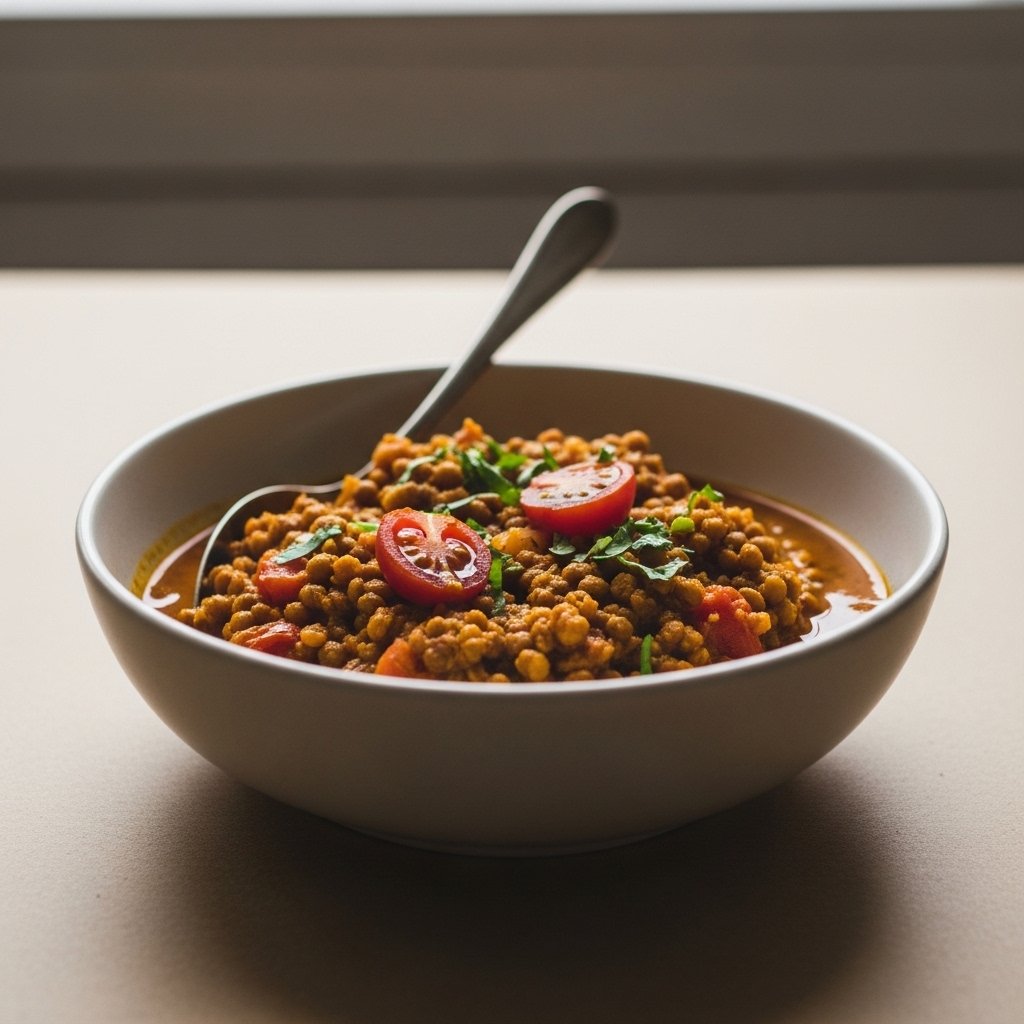
Simmered lentils with turmeric, cumin, and tomatoes create a deeply soothing curry. This Indian specialty builds flavor through slow cooking and layered spices.
Tempering whole spices in hot oil at the start releases their essential oils. This technique, called tadka, is the foundation of authentic Indian flavor.
Red lentils break down into a naturally creamy texture, while brown lentils hold their shape. Choose based on whether you prefer a smooth or hearty curry.
Serve with basmati rice or warm flatbread. A dollop of coconut yogurt and fresh cilantro completes the meal beautifully.
Lentils are nutritional powerhouses, rich in protein, iron, and folate. This is comfort food that genuinely nourishes.
Mexican Grilled Corn and Bean Bowl
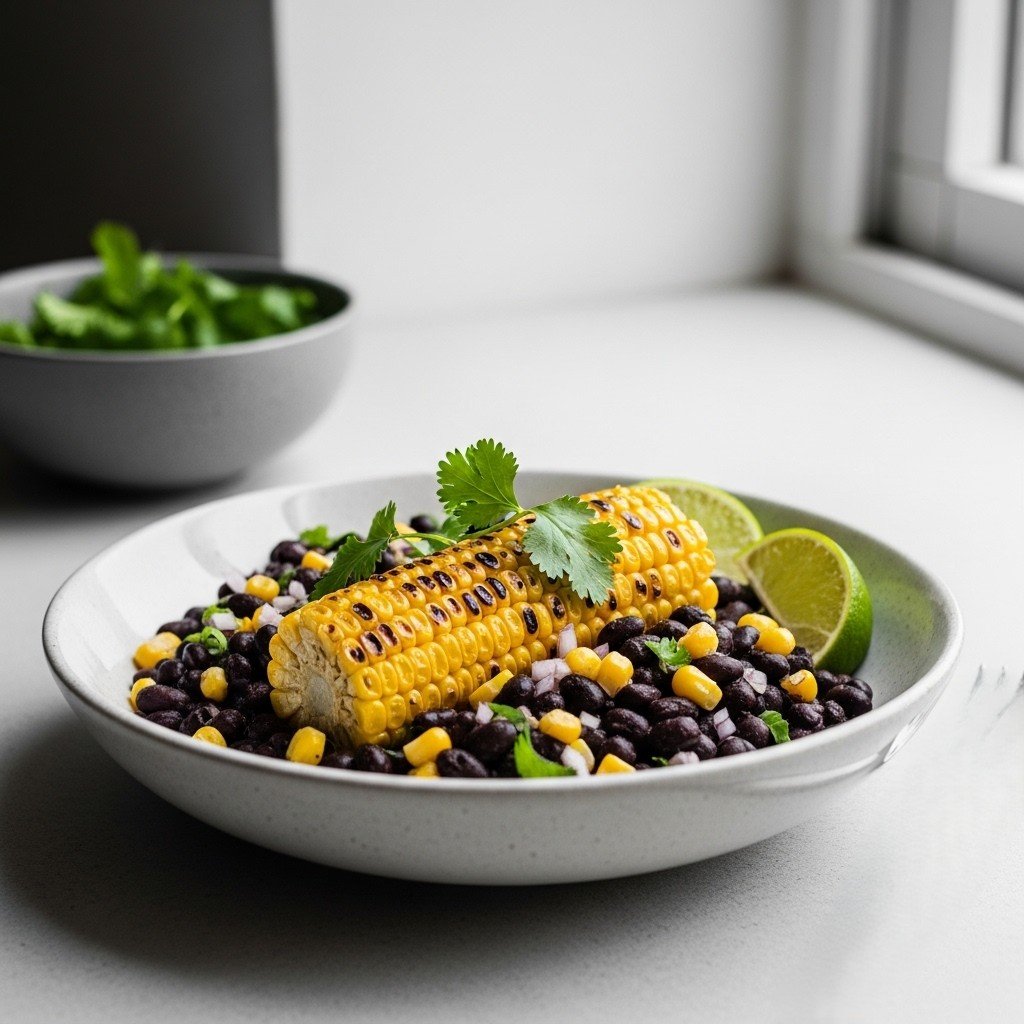
Charred corn, black beans, fresh herbs, and lime come together in a vibrant bowl inspired by Mexican cuisine. Every bite bursts with fresh, zesty flavor.
Grilling the corn until lightly charred adds smoky depth. If you do not have a grill, a hot cast-iron skillet achieves a similar effect.
Season generously with cumin, smoked paprika, and chili powder. The bold seasoning is what makes this bowl so satisfying.
Top with avocado, pickled red onions, and fresh cilantro. The combination of creamy, tangy, and fresh elements creates perfect balance.
This bowl is endlessly customizable. Add rice, quinoa, or shredded cabbage to stretch it into a hearty family dinner.
Thai Coconut Vegetable Soup
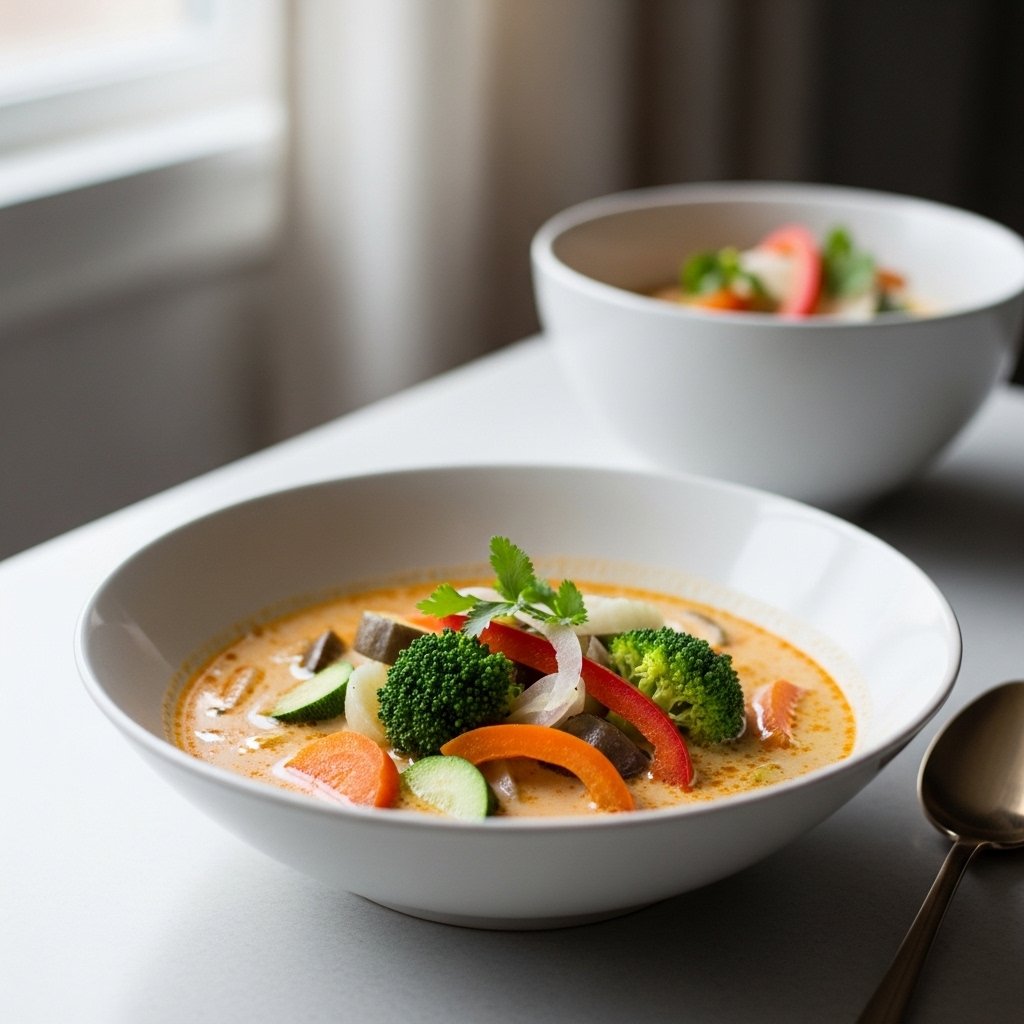
This aromatic soup combines coconut milk, vegetables, and Thai spices into a warming, fragrant bowl. It balances sweetness, heat, and tang in the classic Thai style.
Lemongrass, galangal, and kaffir lime leaves create the signature aroma. Simmer them in the coconut milk first to infuse every spoonful with flavor.
Add vegetables in order of cooking time so everything stays perfectly tender. Mushrooms, bell peppers, and baby corn are traditional choices.
A squeeze of lime juice at the end brightens the entire soup. Thai cooking relies on this final balancing of flavors.
Serve with jasmine rice or enjoy it as a light standalone meal. The creamy coconut broth is deeply comforting on cool evenings.
Middle Eastern Stuffed Bell Peppers
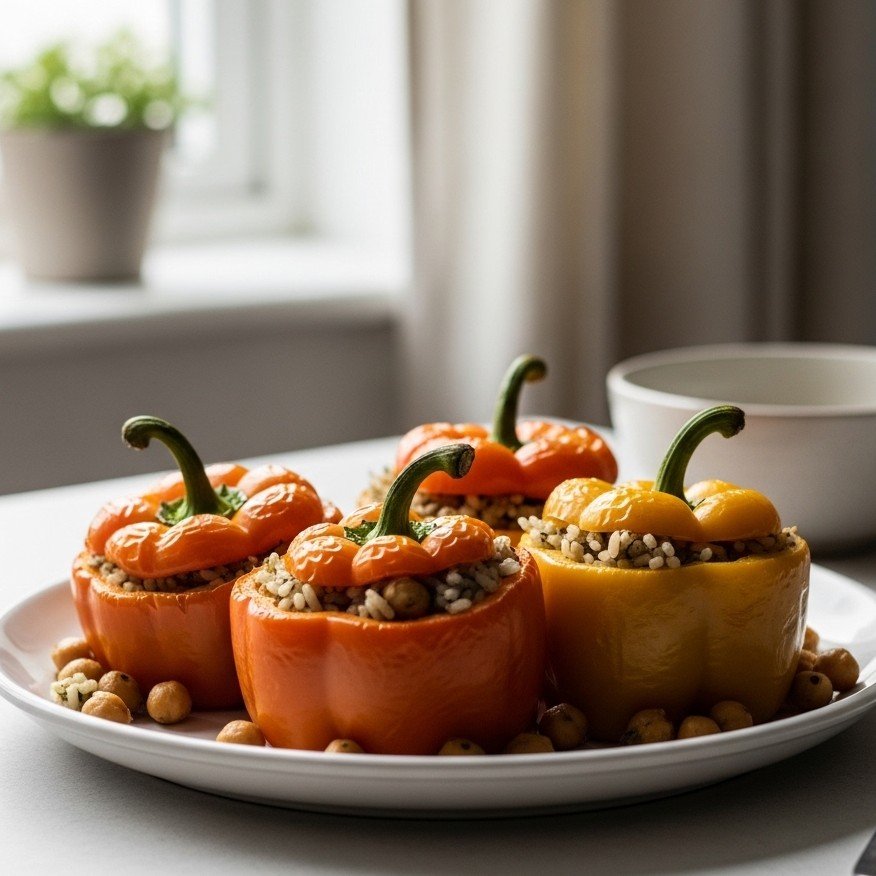
Bell peppers filled with herbed rice, chickpeas, and dried fruits make a colorful and satisfying centerpiece. The dish draws on Middle Eastern traditions of aromatic spices and careful preparation.
The filling combines warm spices like cumin, coriander, and cinnamon with sweet dried apricots or raisins. This sweet-savory balance is characteristic of the region’s cuisine.
Choose peppers that sit flat so they bake evenly. A mix of red, yellow, and orange peppers makes a stunning presentation.
Bake until the peppers are tender and the tops are golden. The filling should be moist but not soggy, with distinct grains of rice.
Serve with a simple tahini sauce or fresh herb salad. These peppers are impressive enough for guests yet easy enough for weeknights.
French Ratatouille with Fresh Herbs
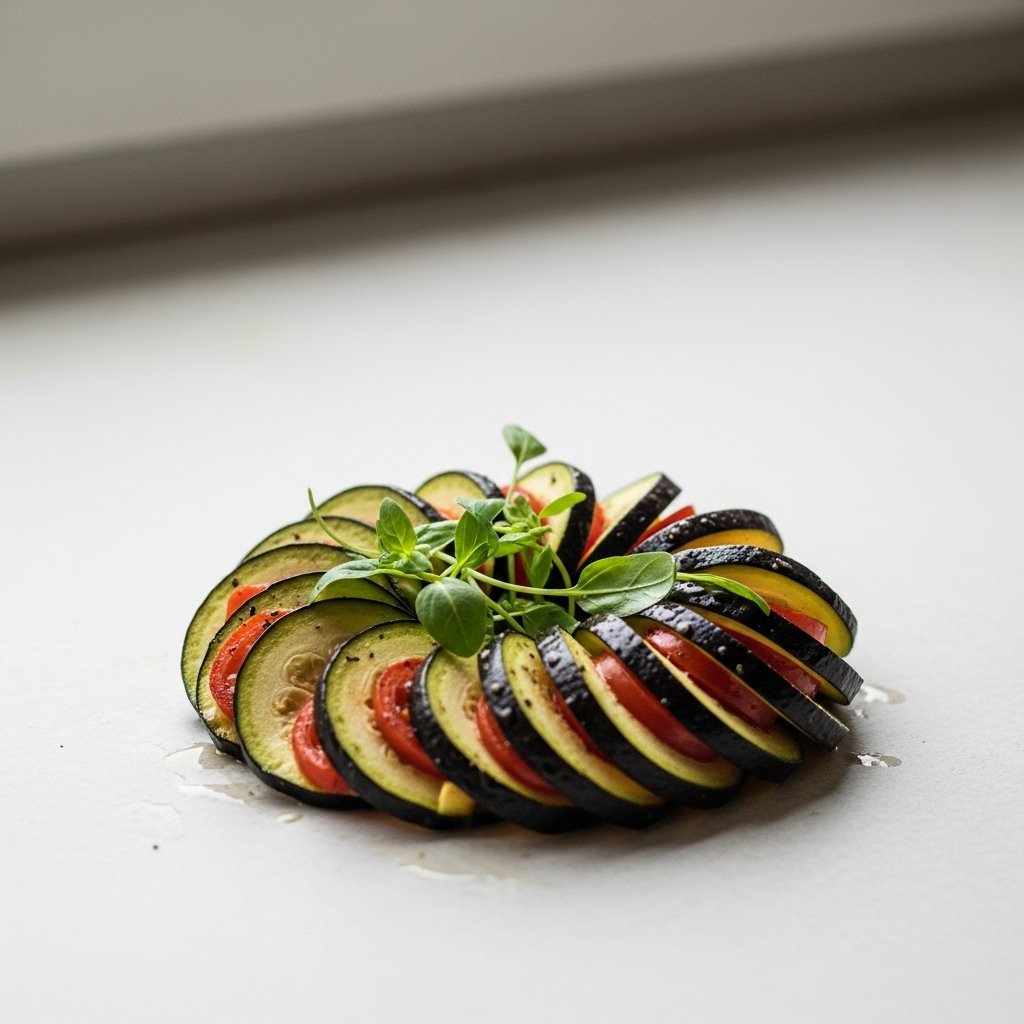
Slow-cooked summer vegetables with fresh herbs create the sophisticated French classic ratatouille. Careful preparation lets each vegetable keep its character while blending into harmony.
Eggplant, zucchini, bell peppers, and tomatoes are the traditional stars. Salting the eggplant first removes bitterness and improves its texture.
Cook the vegetables separately before combining them, as French tradition dictates. This extra step preserves each vegetable’s distinct flavor and texture.
Herbes de Provence, with its lavender and thyme notes, gives authentic flavor. Fresh basil stirred in at the end adds brightness.
Serve warm with crusty bread or at room temperature as part of a Provençal spread. Ratatouille improves with time, so make it ahead when you can.
Korean Sesame Tofu Stir Fry
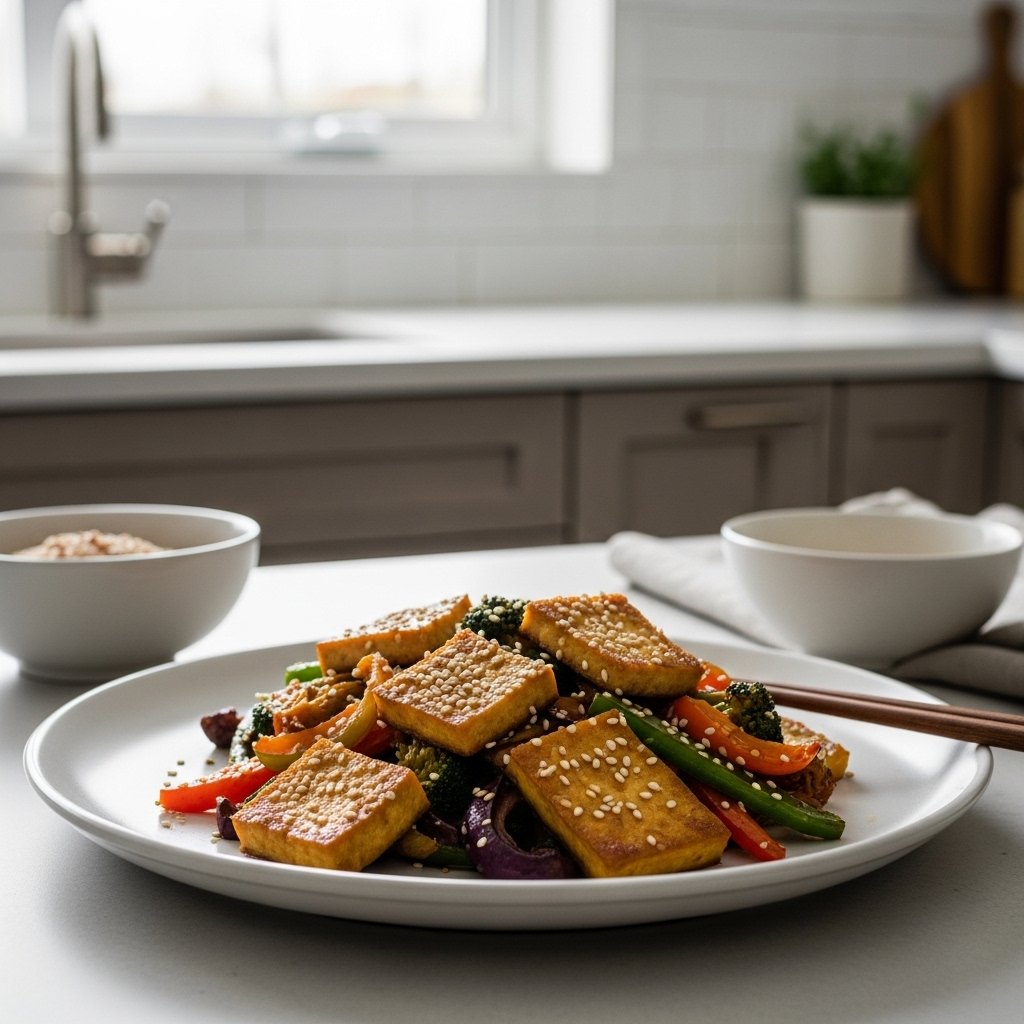
Crispy tofu stir-fried with vegetables in a savory sesame sauce delivers bold Korean-inspired flavor. Fast, high-heat cooking keeps everything vibrant and textured.
Press the tofu well before cooking to remove excess moisture. This is the secret to achieving a genuinely crispy exterior.
The sauce combines soy sauce, sesame oil, garlic, and a touch of sweetness. Gochujang adds heat for those who like it spicy.
Keep the vegetables crisp-tender by cooking in batches. Overcrowding the pan steams the food instead of searing it.
Finish with toasted sesame seeds and sliced scallions. Serve over rice for a complete, protein-rich meal.
Chinese Style Steamed Greens and Mushrooms
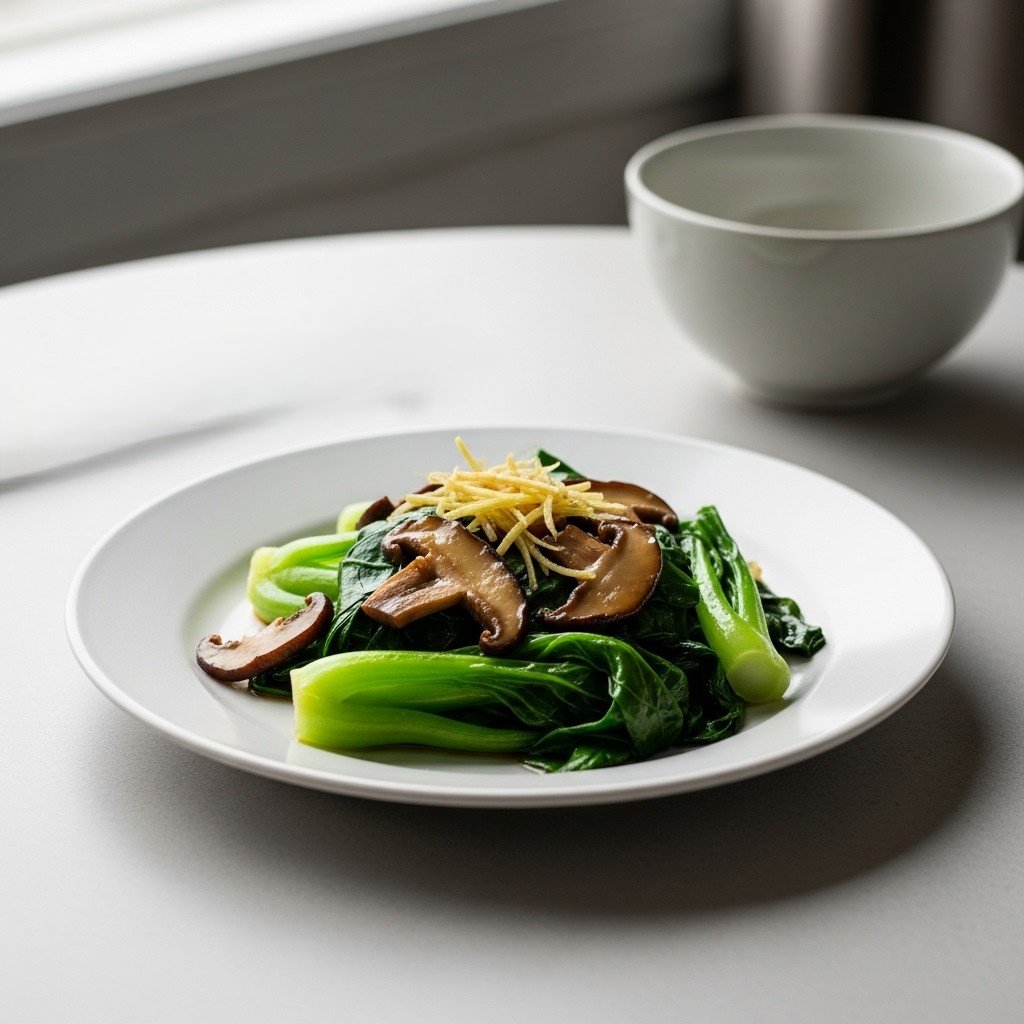
Delicate greens and mushrooms steamed with ginger and a touch of soy create a light, nourishing dish. Chinese cooking philosophy emphasizes preserving natural flavors and textures.
Bok choy, gai lan, and shiitake mushrooms are classic choices. Their varied textures make the simple preparation interesting.
Steam just until the greens turn vivid green and the stems are tender-crisp. Overcooking dulls both color and nutrition.
Drizzle with a light sauce of soy, sesame oil, and grated ginger. A few drops go a long way with such fresh ingredients.
This dish exemplifies the Chinese principle that the best cooking often does the least. Quality produce needs little embellishment.
Nordic Roasted Root Vegetable Platter
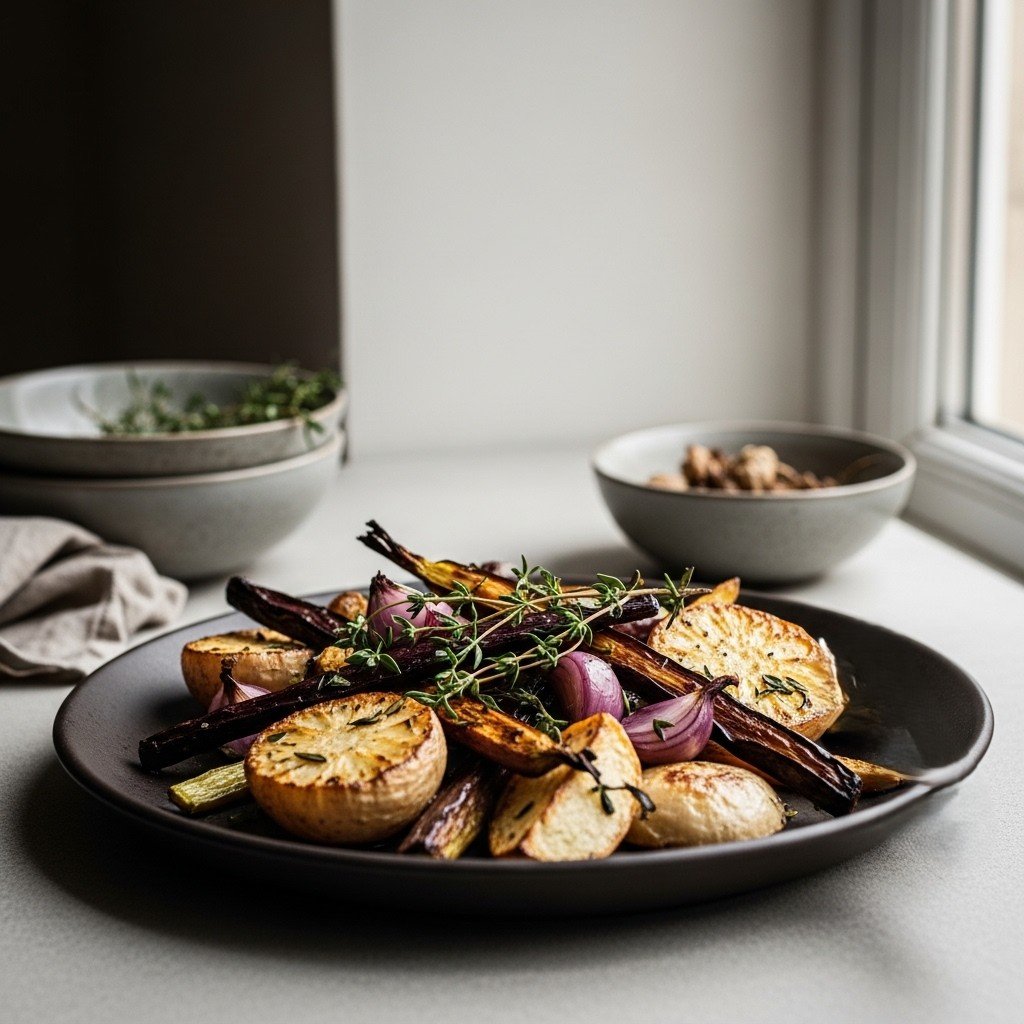
Roasted root vegetables with seasonal herbs capture Nordic simplicity and respect for local produce. Slow roasting heightens their natural sweetness while keeping earthy depth.
Carrots, parsnips, beets, and celeriac roast beautifully together. Cut them to similar sizes for even cooking.
Toss with oil, salt, and hardy herbs like rosemary and thyme before roasting. High heat creates caramelized edges that are irresistibly sweet.
A mustard-dill sauce on the side adds classic Scandinavian brightness. The sharp, fresh flavors contrast beautifully with the sweet roasted roots.
This platter celebrates eating with the seasons, a cornerstone of Nordic food culture. Simple preparations let exceptional ingredients shine.
Stocking a Global Plant-Based Pantry
Cooking these international recipes becomes effortless with a well-stocked pantry. A few key staples unlock flavors from every corner of the world.
Keep coconut milk, soy sauce, tahini, miso paste, and a variety of dried lentils and chickpeas on hand. These versatile ingredients form the backbone of countless global dishes.
Build a spice collection gradually, starting with cumin, turmeric, smoked paprika, and coriander. Whole spices stay fresh longer and can be toasted for deeper flavor.
With these staples ready, weeknight cooking across cultures becomes spontaneous and joyful. You will reach for global flavors as naturally as familiar ones.
Bringing Global Flavors Home
These eleven dishes prove that plant-based cooking is as diverse as world cuisine itself. Each recipe offers a window into another food culture and its approach to vegetables.
Start with the dishes that appeal to you most, then branch out. Building a global pantry of spices, sauces, and staples makes international cooking easy and spontaneous.
Cooking across cultures is one of the great joys of a plant-based kitchen. Every meal becomes a small adventure, and every ingredient has a story to tell.