 Sophia Martinez
Have you ever applied to your skin a perfume that smelled amazing on a friend, yet it seemed like the wrong perfume on you? It is not your imagination. Fragrance has a personal effect on your skin. The development of a scent is gradually determined by the temperature of the body, natural oils, diet and even the level of stress. A perfume is not an enclosed fragrance in a bottle. When it comes in contact with skin, it develops. Notes swell, become weaker or die away, based on some chemistry that cannot be copied. The knowledge of this interaction makes you make good decisions in the choice of perfumes that actually fits you and remains beautiful all day long.
Natural Skin Oils
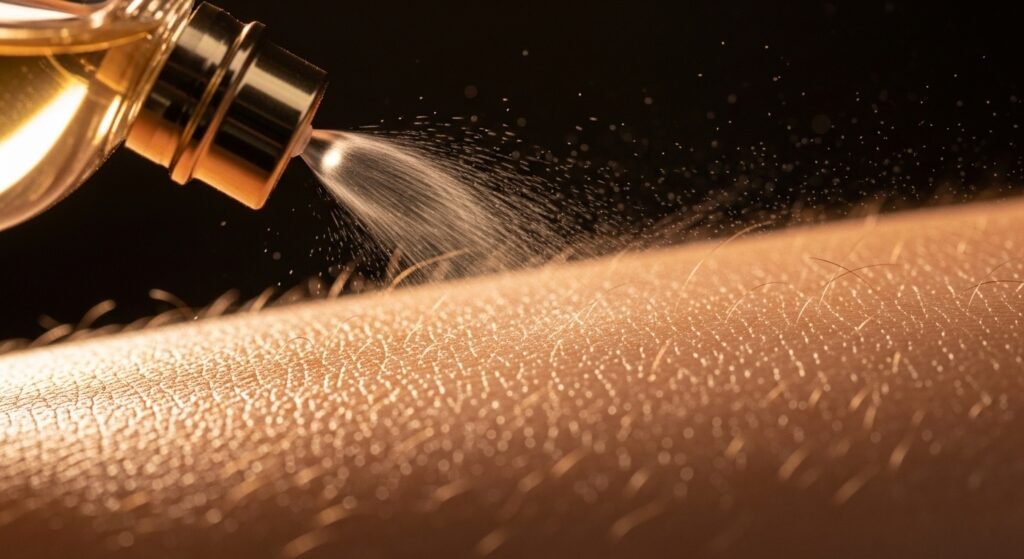
Each individual has varying quantities of natural oil. Oily skin is longer-lived in retaining the fragrance, and deeper notes achieve a slow blossom. S drier skin can result in a scent dissipating faster, occasionally making the lighter notes more pronounced.
Skin pH Levels
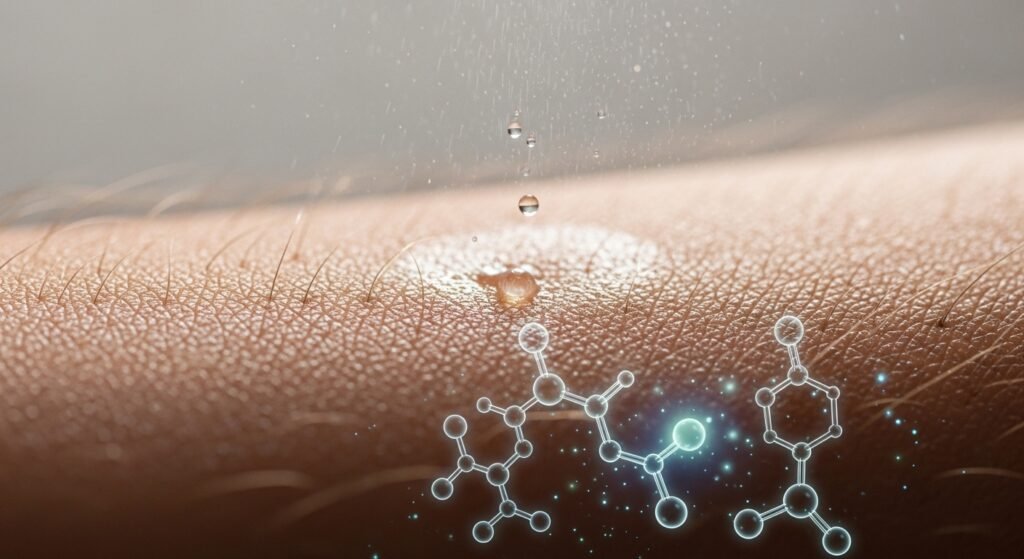
The fragrance molecules have a slight tendency to change depending on the acidity of your skin. The slight changes in pH can help make it sweeter, make citrus more tangy or help liquefy woody bases. There is hardly ever a time when the same perfume will be identical on two individuals.
Body Temperature
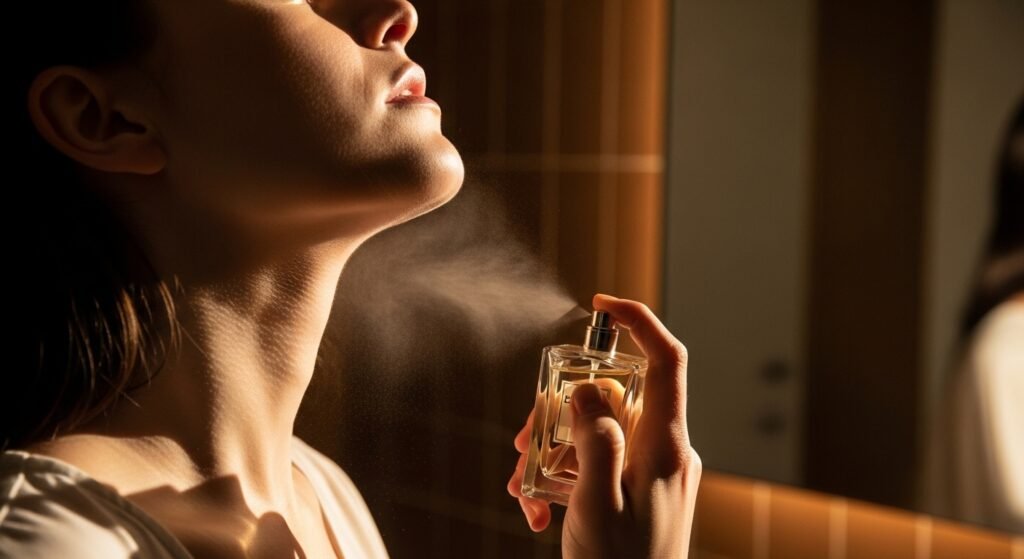
Fragrance is more projected on warmer skin. Notes evaporated with the help of heat, thus, may strengthen the opening of the note, but reduce its wear time overall. The warmer skin tends to hold a fragrance more closely and less pronounced during the day.
Hydration Matters
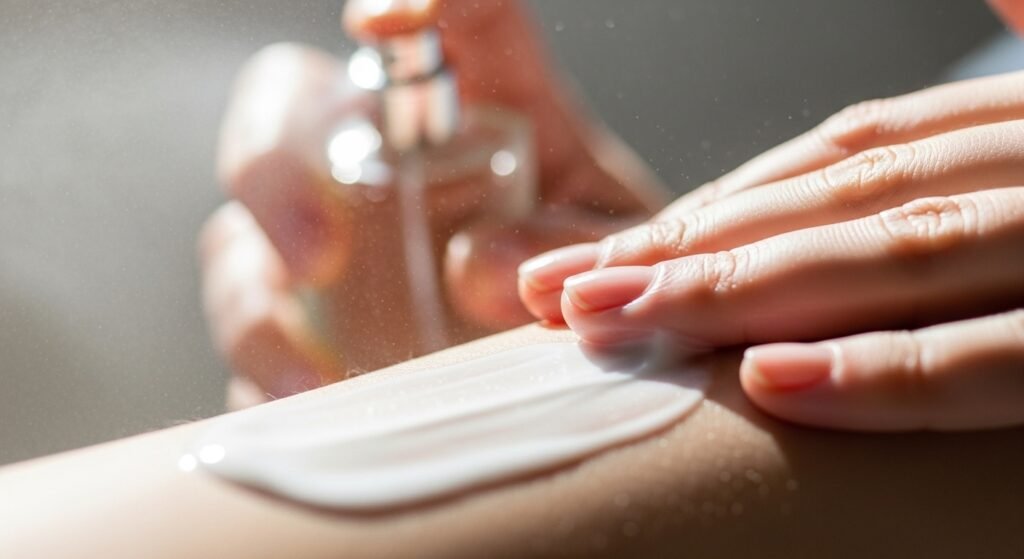
The moisturised skin also has a better surface on which the fragrance could settle. Where the skin is dry, scent molecules can evaporate irregularly. A better foundation to a permanent performance can be achieved by applying unscented lotion in advance.
Diet and Lifestyle
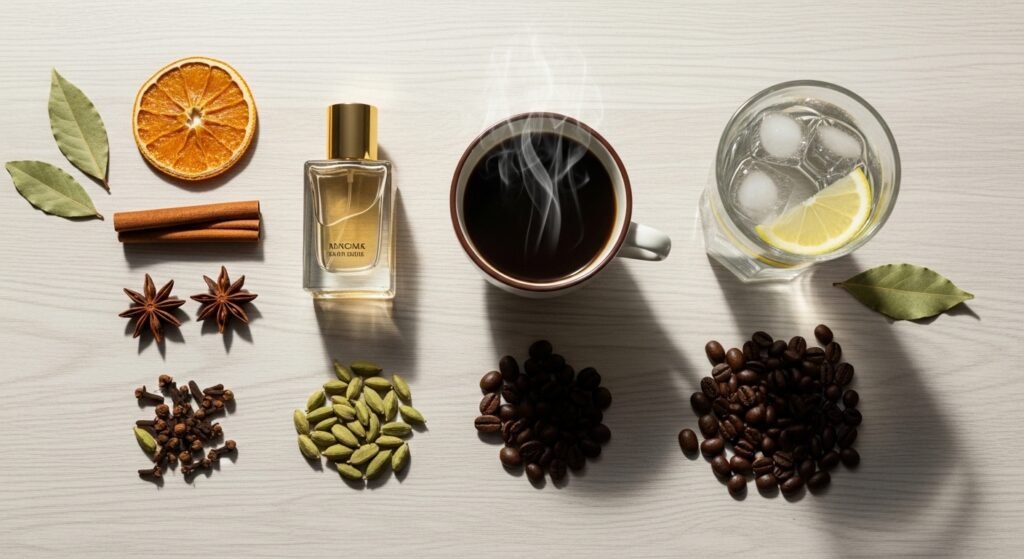
Food and beverage have a low key way in affecting body chemistry. The effect of spices, caffeine and general hydration levels might influence the way a fragrance develops. These are soft changes, which can be felt with time.
Hormonal Fluctuations
The hormones change in various life stages and even within the month. Such variations may change the temperature of the skin and production of oil. Consequently, a signature scent may seem a bit off-season to season.
Environmental Climate
The weather and the humidity are significant. Fragrances tend to be more palpable and even expansive in hot humid air. Smell tends to be suppressed in cooler weather, with base notes remaining on the body longer.
Application Points
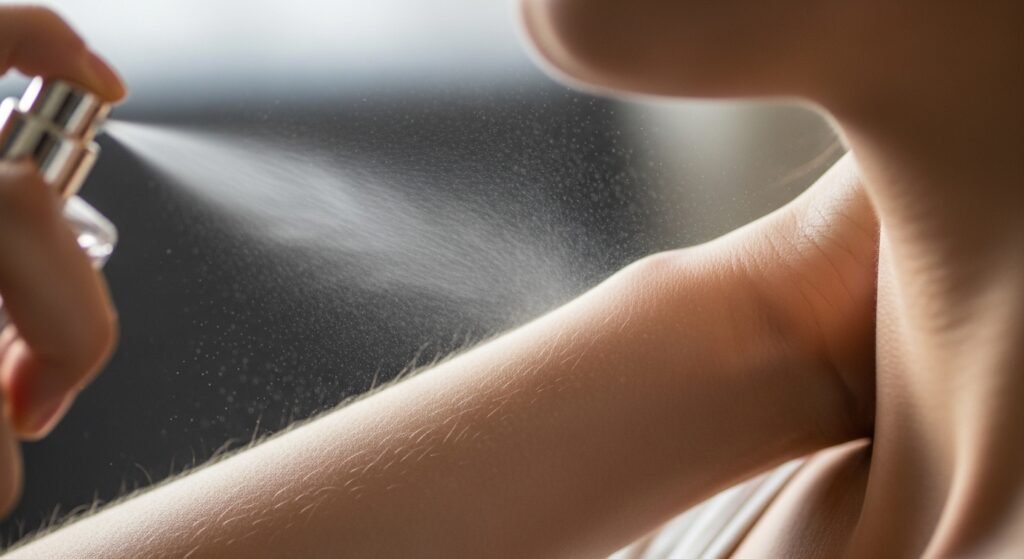
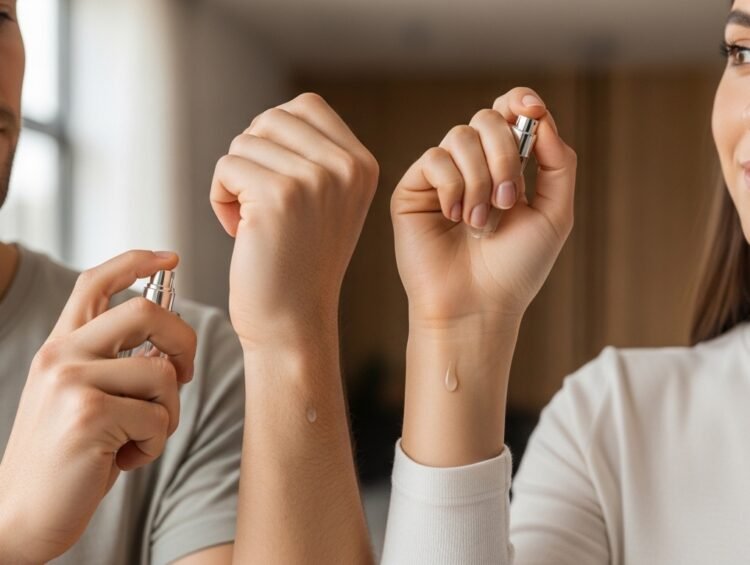
The location of putting perfume also affects its development of it. Warmth is created in pulse points like the wrists and the neck, which promote projection. Clothing, on the other hand, can be a source of different scent and avoid natural chemical interaction.
Fragrance Concentration
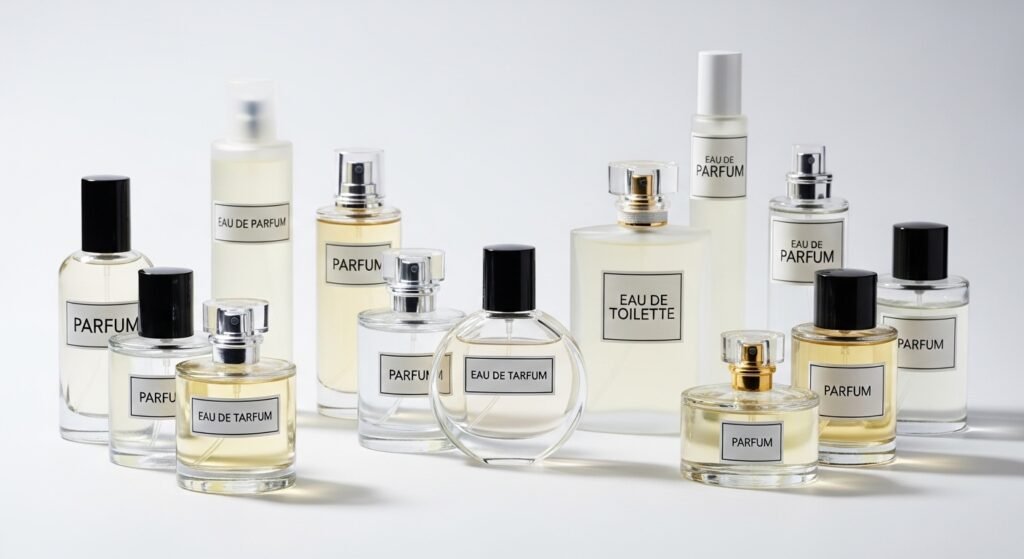
Eau de parfum, eau de toilette and parfum have varying levels of oil. The stronger concentrations normally take longer and penetrate deeper into skin chemistry whereas the lighter ones are not heavy and are airy.
Time and Oxidation
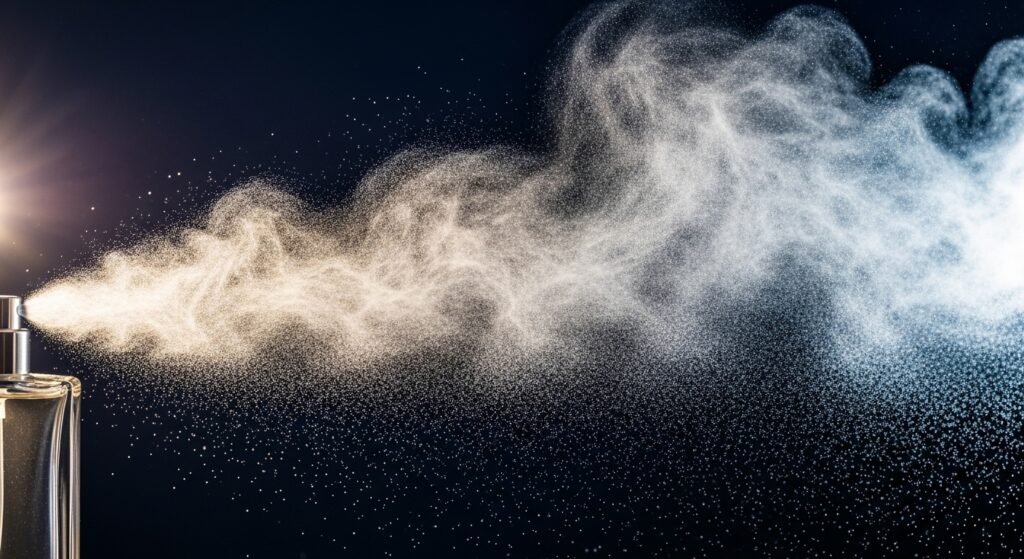
After being sprayed, fragrance starts to react with air and skin at the same time. Top notes disappear first leaving behind heart and base notes slowly. The experience may differ depending on the individual and therefore, one should be patient when trying perfumes.