 Kelvin Krita
 It used to be hard to get to your nineties, like a legend. It appears more feasible than ever today, but there remains wonder in it. What enables a few individuals to go through life with consistent energy and visual clarity even in their tenth decade? That is still the subject of research in science, and although there are regularities, there is no single formula. Longevity seems to be influenced by a few everyday habits, favorable conditions, heredity, and maybe some timing and fortune. Living past 90 may not be the pursuit of extremes. It can just be about the formation of a way of life that can mildly nourish the body and mind for several decades.
Genetics may play a role

It is possible that the family history might have an impact on the lifespan, as some researchers believe. There are genetic variations that may be favorable to better cell repair or reduced aging. Nevertheless, genetics can be only a part of the picture to allow everyday habits to influence the long-term results.
Everyday movement matters
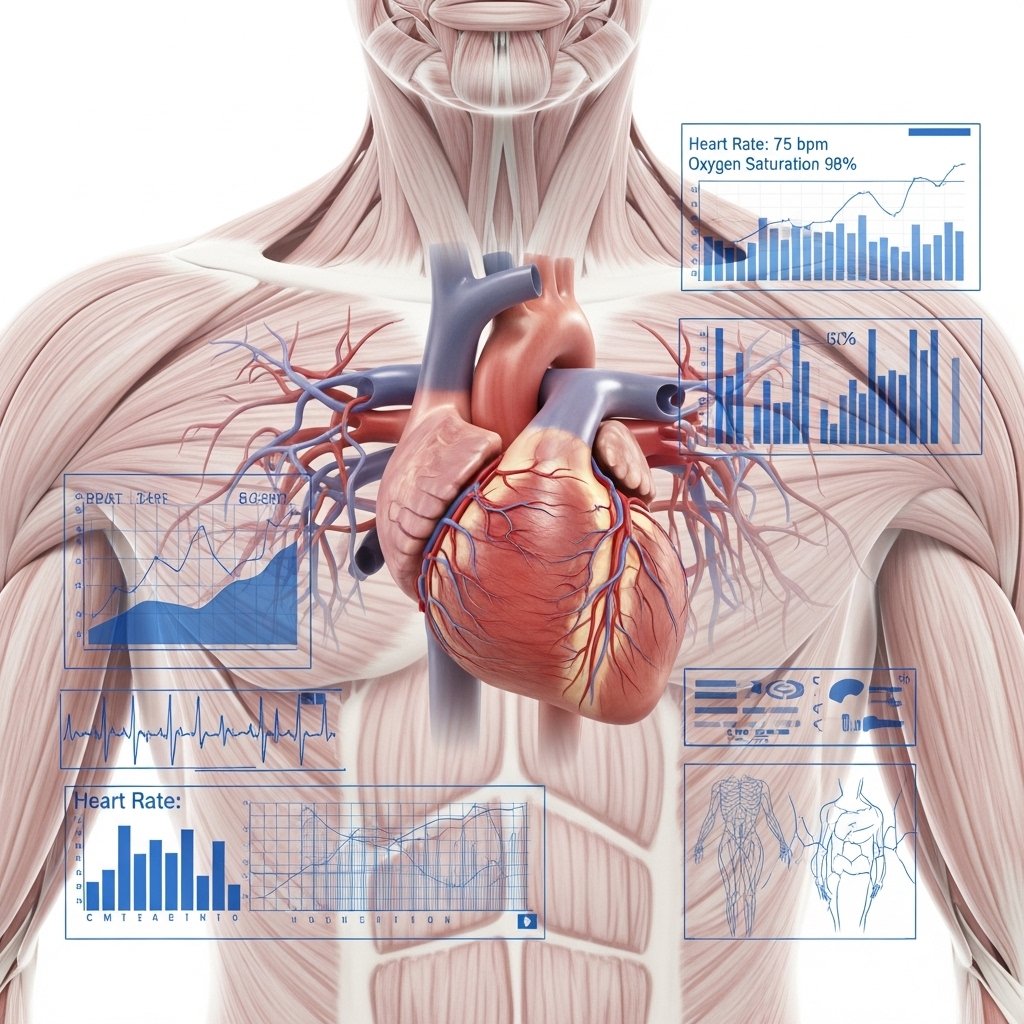
Exercise seems to maintain the resilience of the heart, balance, and muscle mass in the long run. It does not necessarily imply hard exercises. The basic day-to-day exercise, like walking or stretching, may assist the body in remaining functional and robust over the years.
Sleep as daily repair

A good night’s sleep can enable the body to restore and balance significant systems. Studies tend to point out the way regular sleep patterns and relaxing bedtime habits may contribute to long-term health. One of the most neglected longevity tools may be rest.
A sense of purpose
This is mainly because many individuals who live past 90 years of age usually say that they have something to look forward to. Purpose may provide organization in everyday life and reason to continue working, whether it is family, creative work, volunteering or personal projects.
Maintaining mobility
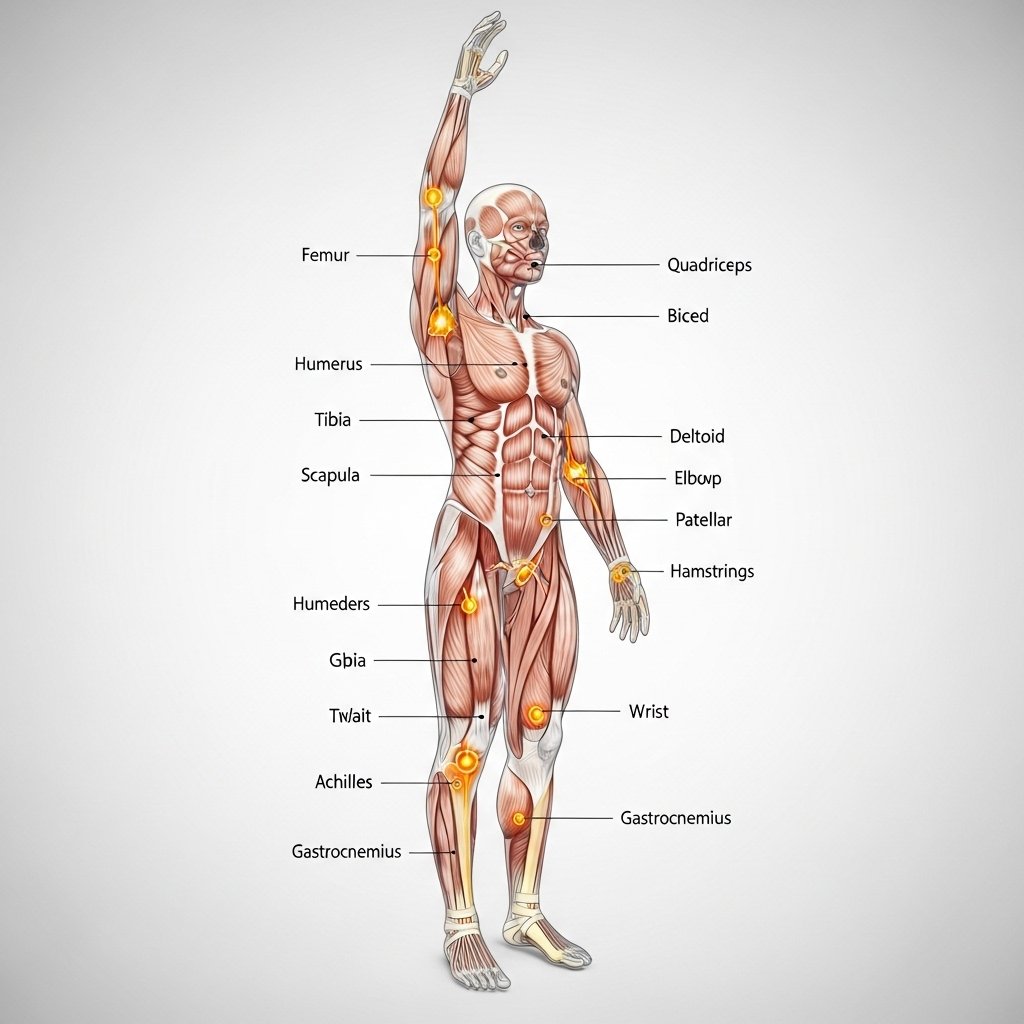
Through balance exercises and light strength training the risk of falls in the elderly may be decreased. Being mobile would aid in independence, which in most cases would be a determining factor as regards the general quality of life in old age.
Positive outlook and adaptability

Positive thinking can affect the management of the challenges. Although optimism does not cancel the challenges, it may influence reactions to the challenges. It may assist in adapting to change, as an individual would not be overwhelmed by it.
Strong family bonds

Emotional stability and practical support are usually given by close relationships with family members. A sense of appreciation and being supported may minimize the sense of isolation, which in turn may affect long-term well-being.
Moderation in daily habits

The extreme habits are hard to maintain throughout decades. Work, rest, and recreation in a balanced manner could help the body to maintain a constant strain-free position. Longevity could actually be a matter of consistency, but not intensity.
Acceptance of aging

Accordingly, maybe one of the most elusive ones is accepting natural changes that manifest themselves with time. The acceptance of old age instead of fighting with it could help to decrease mental stress. Aging would not be about struggling with time; it would be about enjoying life in it.