 Sophia Martinez
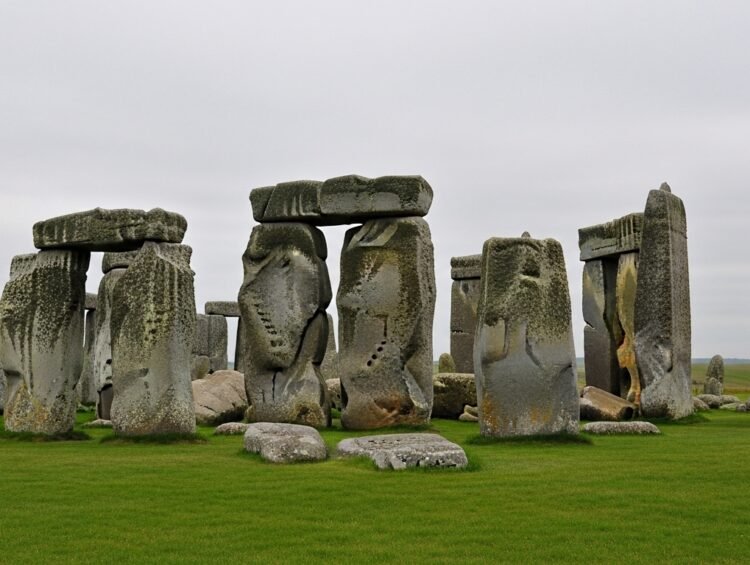
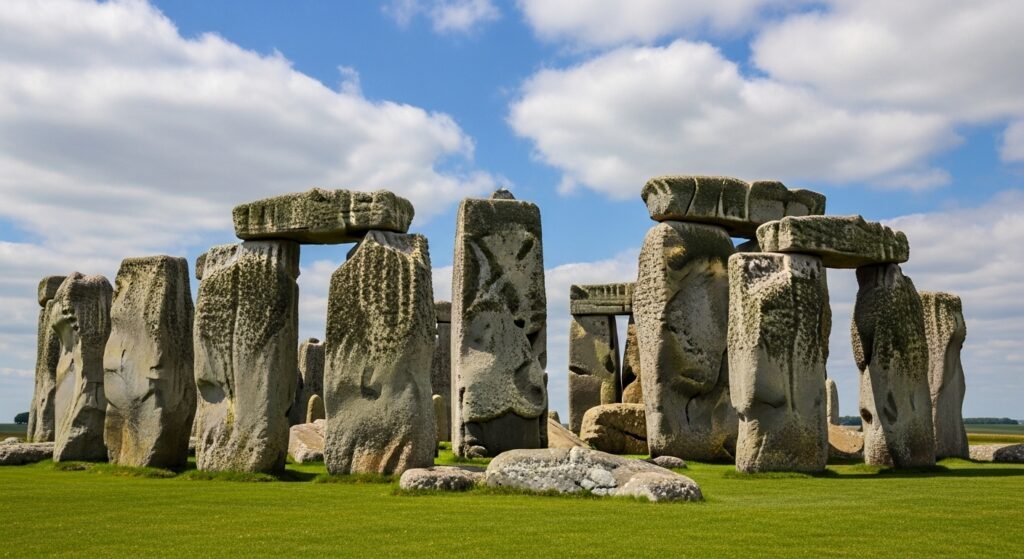
 For centuries, Stonehenge has stood as one of the world’s most fascinating prehistoric monuments, drawing historians, archaeologists, and travelers eager to understand its purpose. The massive stone circle on England’s Salisbury Plain has inspired countless theories about how and why it was built. Recently, new scientific research has uncovered a remarkable geological “fingerprint” within the stones, offering fresh clues that could significantly reshape what we know about the monument’s origins.
A Monument That Has Puzzled Generations
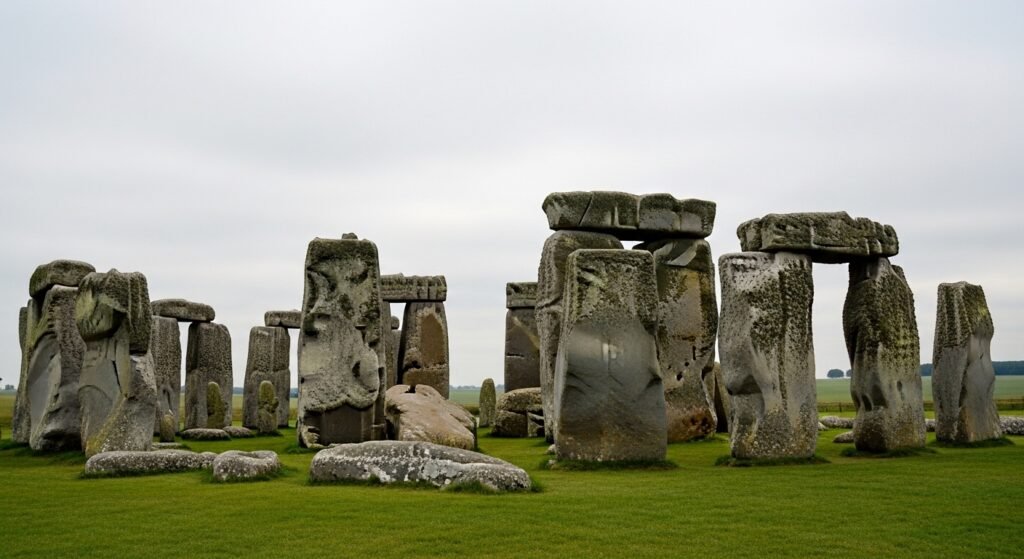
Stonehenge has long been considered one of the most mysterious ancient structures in the world, partly because it was built thousands of years ago without written records explaining its purpose. Its carefully arranged standing stones and circular layout demonstrate impressive planning and engineering that continue to fascinate researchers and visitors alike. Scholars have debated whether it served as a ceremonial gathering site, an astronomical calendar, or a place of spiritual significance. The lack of clear historical documentation has made each new discovery especially valuable in helping scientists better understand the people who created it.
The Importance of Stonehenge’s Massive Stones
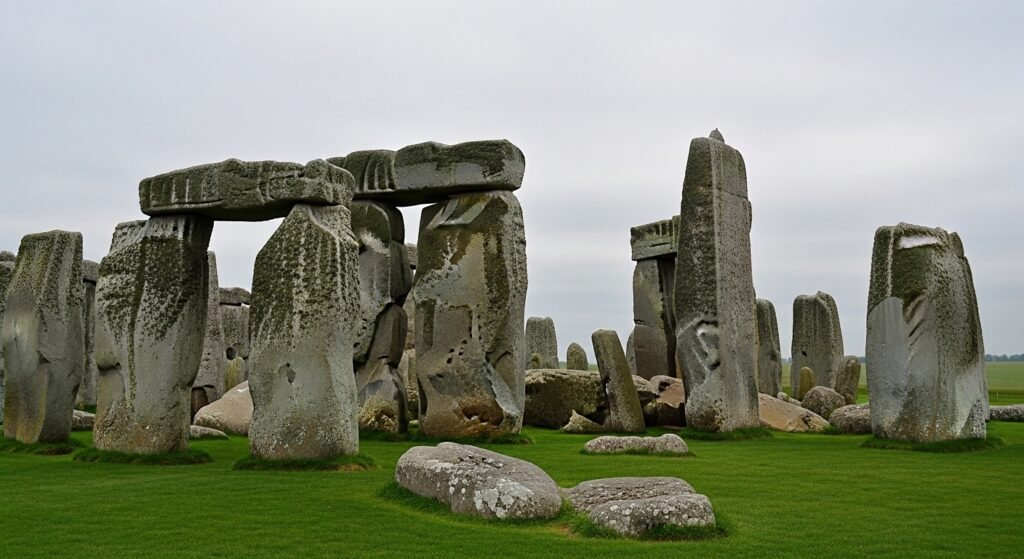
The monument is made up of two main types of stones, the larger sarsen stones and the smaller bluestones, each playing an important role in the structure’s design and stability. For decades, archaeologists focused on studying where these stones came from in order to piece together the story of Stonehenge’s construction. Understanding the origin of these stones is crucial because it reveals how far ancient builders traveled and what resources they used. The answer also sheds light on the social organization and technological abilities of prehistoric communities in Britain.
What Scientists Mean by a Geological Fingerprint
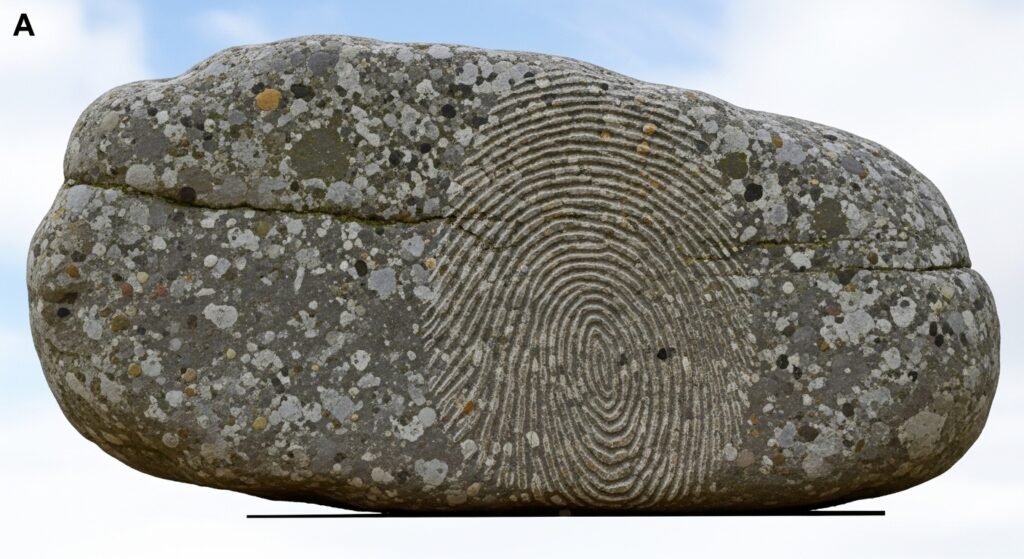
A geological fingerprint refers to the unique chemical and mineral composition found in a particular rock formation. By studying the microscopic elements inside the stones, scientists can match them with rock sources in different regions. This method has become an important tool in archaeology because it allows researchers to trace materials back to their natural origins with remarkable accuracy. In the case of Stonehenge, the fingerprint hidden within the stones has become a key piece of evidence in solving an ancient puzzle.
A Breakthrough Discovery in the Sarsen Stones
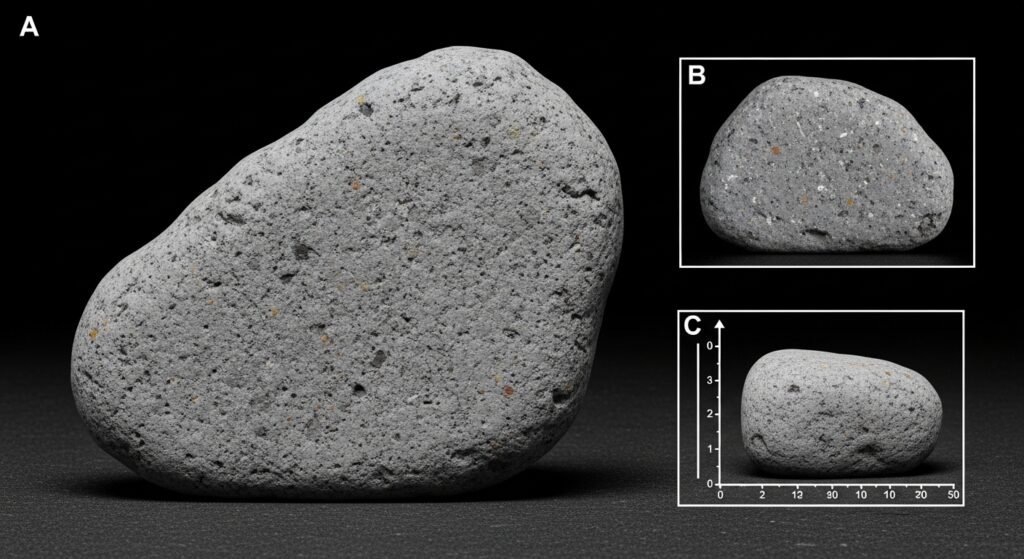
Researchers recently analyzed the composition of several sarsen stones using advanced geochemical techniques that detect tiny traces of minerals. These tests revealed that the stones share a remarkably consistent chemical signature, suggesting they came from a single geological source. This discovery was surprising because earlier theories suggested that the stones might have been gathered from multiple locations across southern England. Instead, the matching fingerprint indicates a more deliberate and coordinated effort by the monument’s builders.
Tracing the Stones to Their True Origin
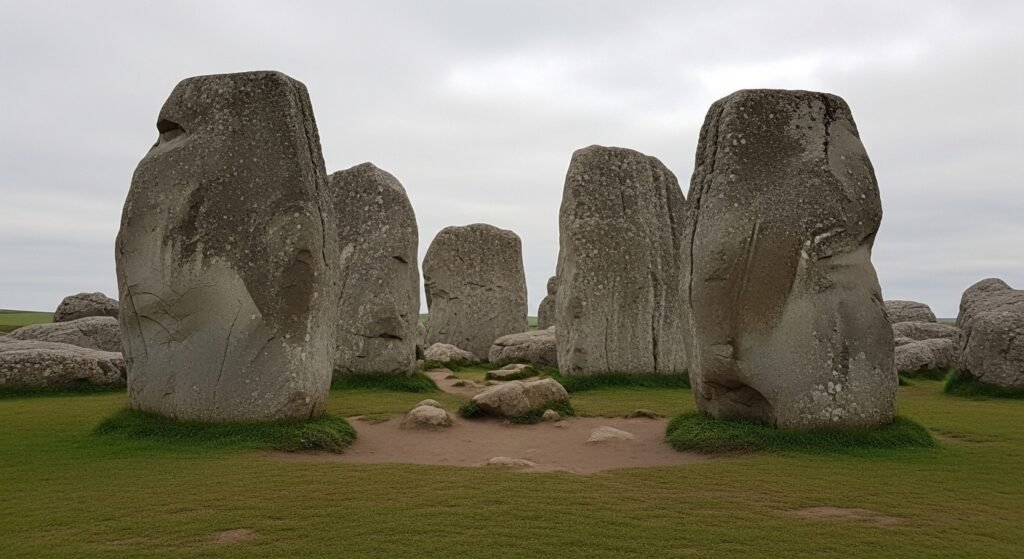
The analysis pointed researchers toward an area known as West Woods in southern England as the likely source of the majority of the sarsen stones. This woodland region contains rock formations whose chemical profile closely matches the stones that make up the monument. Identifying this source helps scientists better understand the logistical challenges faced by the ancient builders. Moving stones weighing many tons over long distances would have required careful planning, teamwork, and innovative transport methods.
What the Discovery Says About Ancient Builders
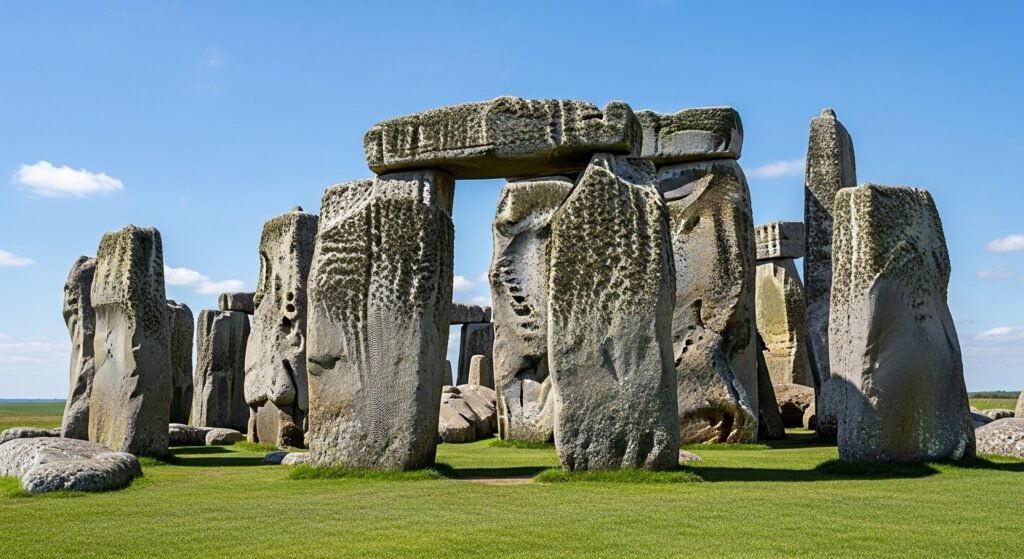
The geological fingerprint not only reveals where the stones came from but also highlights the remarkable capabilities of the people who constructed Stonehenge. Transporting such massive stones suggests the builders possessed advanced knowledge of engineering and cooperative labor. This discovery strengthens the idea that Stonehenge was created by well-organized communities that could coordinate large-scale projects. It also shows that prehistoric societies were far more resourceful and skilled than earlier assumptions once suggested.
A Monument That Still Holds Secrets
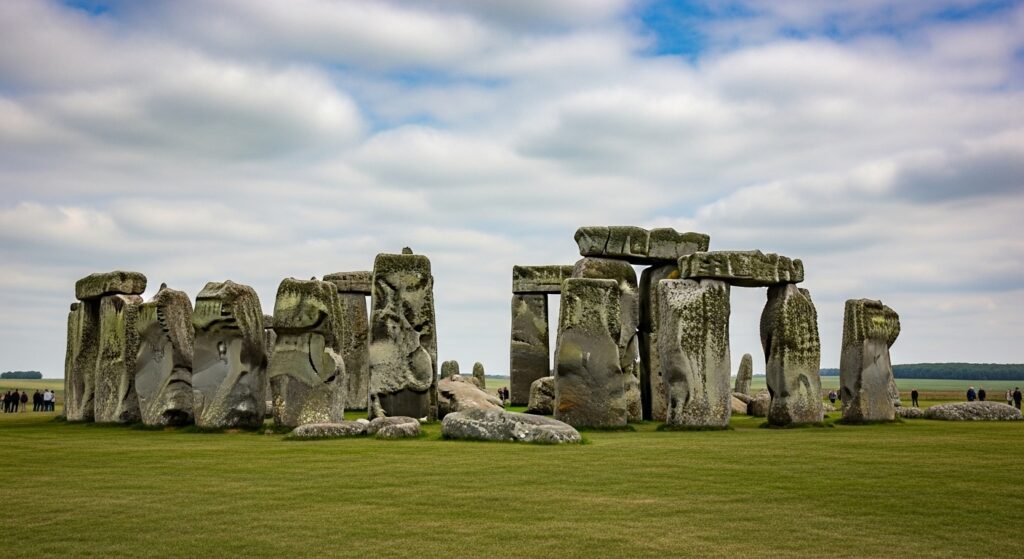
Even with this important discovery, Stonehenge continues to guard many of its mysteries. Archaeologists are still exploring how the stones were transported, how the monument evolved, and what ceremonies may have taken place there. Each new study reveals another layer of the monument’s history while reminding researchers how much remains unknown. Stonehenge remains a powerful reminder of humanity’s long relationship with creativity, cooperation, and monumental architecture.
How the Discovery Changes Our Understanding of History
The identification of a geological fingerprint within Stonehenge’s stones represents a major step forward in understanding the monument’s origins. By connecting the stones to a specific location, researchers have moved closer to reconstructing the story of how and why the structure was built. This discovery shows how scientific investigation can reshape long held assumptions about ancient civilizations. As researchers continue to study Stonehenge, new insights may further illuminate the remarkable achievements of the people who built one of the world’s most iconic prehistoric landmarks.